


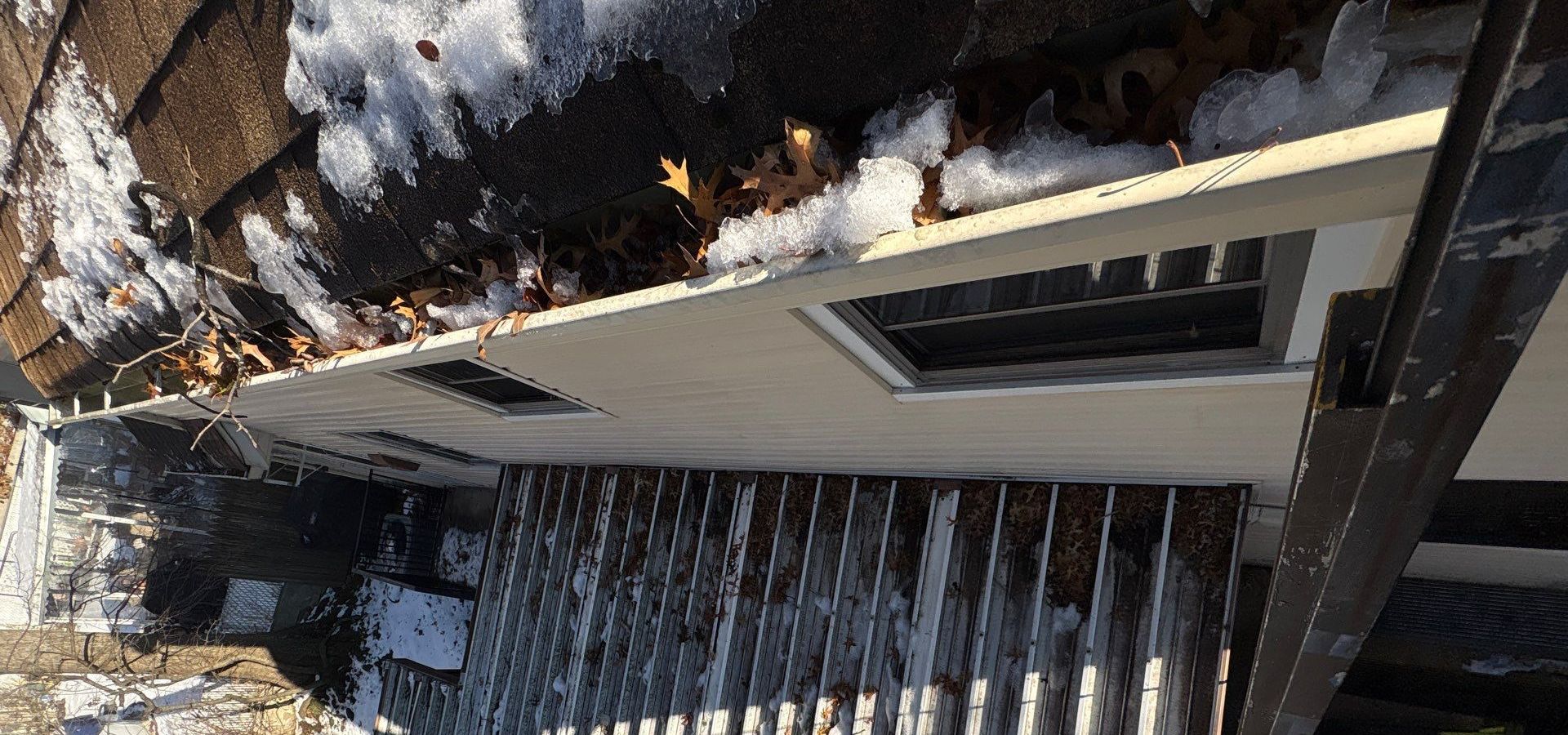
In regions with snowy winters, protecting roofs from the effects of snowmelt is a critical concern for homeowners. Gutters play an essential role in managing snowmelt, directing water away from the roof and preventing issues such as icicle formation, water pooling, and structural damage. For roofing contractors, understanding how gutters function as part of a home’s water management system is key to ensuring the long-term health and durability of the roofs they install.
The Relationship Between Snowmelt and Roof Damage
Snow accumulating on a roof may seem harmless, but once temperatures rise, it begins to melt. If the water from snowmelt is not effectively channeled away, it can pool on the roof, seep into vulnerable areas like shingles and flashing, or refreeze into damaging ice formations. This can lead to issues such as leaks, mold growth, rotting roof materials, and structural compromises that threaten the integrity of the entire roofing system.
Properly functioning gutters mitigate these risks by capturing snowmelt runoff and directing it safely away from the roof and foundation. Without gutters, the water would simply cascade off the roof, increasing the likelihood of problems such as backsplash, icicles, and even damage to landscaping or the foundation.
Preventing Icicle Formation
One of the most visible signs of poor snowmelt management is the formation of icicles along the roof’s edge. Icicles form when melting snow refreezes as it drips off the roof, creating a dangerous hazard for both the roof and anyone below. Icicles can block gutters and downspouts, leading to water overflow and increasing the risk of ice dams.
A properly maintained gutter system reduces the chances of icicle formation by allowing snowmelt to flow freely through the gutters and downspouts. This highlights the importance of clearing debris and ensuring gutters are in good repair before the snow season begins. Adding heated gutter systems can further reduce the risk by keeping water from refreezing in cold conditions.
Avoiding Water Pooling and Roof Leaks
When snowmelt has nowhere to go due to clogged or improperly installed gutters, it can pool on the roof, especially in low spots or areas near flashing. Over time, pooling water can penetrate the roof’s surface, causing leaks, wood rot, and interior damage.
Gutters mitigate this issue by collecting the snowmelt as it flows off the roof and channeling it through downspouts to a safe drainage area. For roofing contractors, recommending the right size and style of gutters to handle the expected snow load is essential. A seamless gutter system with correctly placed downspouts ensures that even large volumes of snowmelt are efficiently managed.
Supporting Roof Longevity
Roofing contractors and gutter specialists like Stern Gutters can work together to provide comprehensive protection for homes during the winter months. Gutters that are well-maintained and designed to handle snowmelt not only protect the roof from immediate damage but also extend its lifespan.
By emphasizing the importance of gutters in snowmelt management, roofing professionals can add value to their services, ensuring their clients’ roofs remain resilient against winter’s challenges. A collaborative approach that includes expert gutter solutions helps homeowners enjoy peace of mind, knowing their investment is safeguarded year-round.