


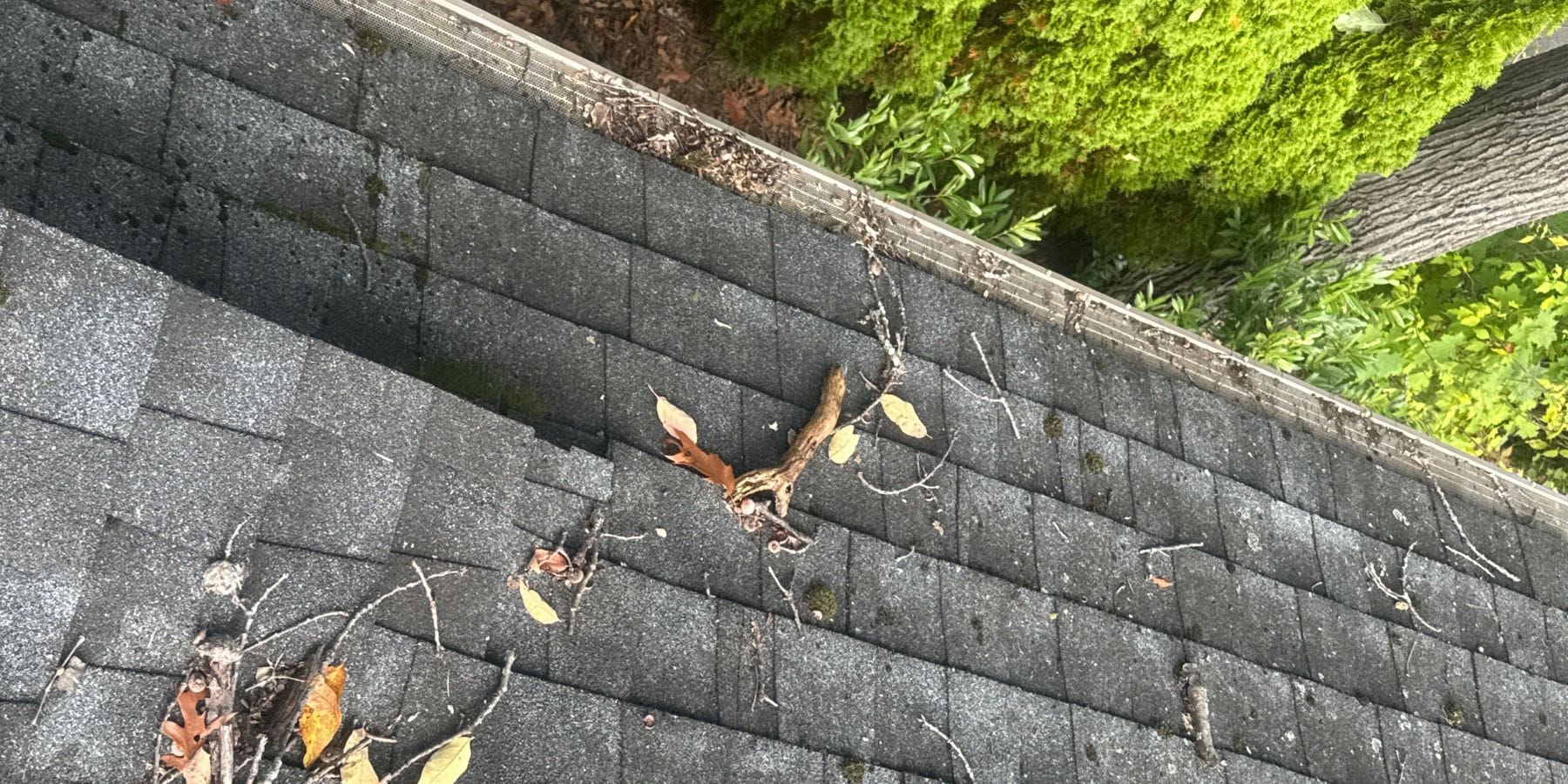
Gutters play a crucial role in managing roof drainage, but when clogged with tree debris, their efficiency is significantly compromised. Leaves, twigs, seeds, and pine needles can accumulate over time, leading to blockages that cause overflow, structural damage, and even foundation issues. Understanding the impact of tree debris on gutters and implementing preventive measures is essential for maintaining a functional and long-lasting drainage system.
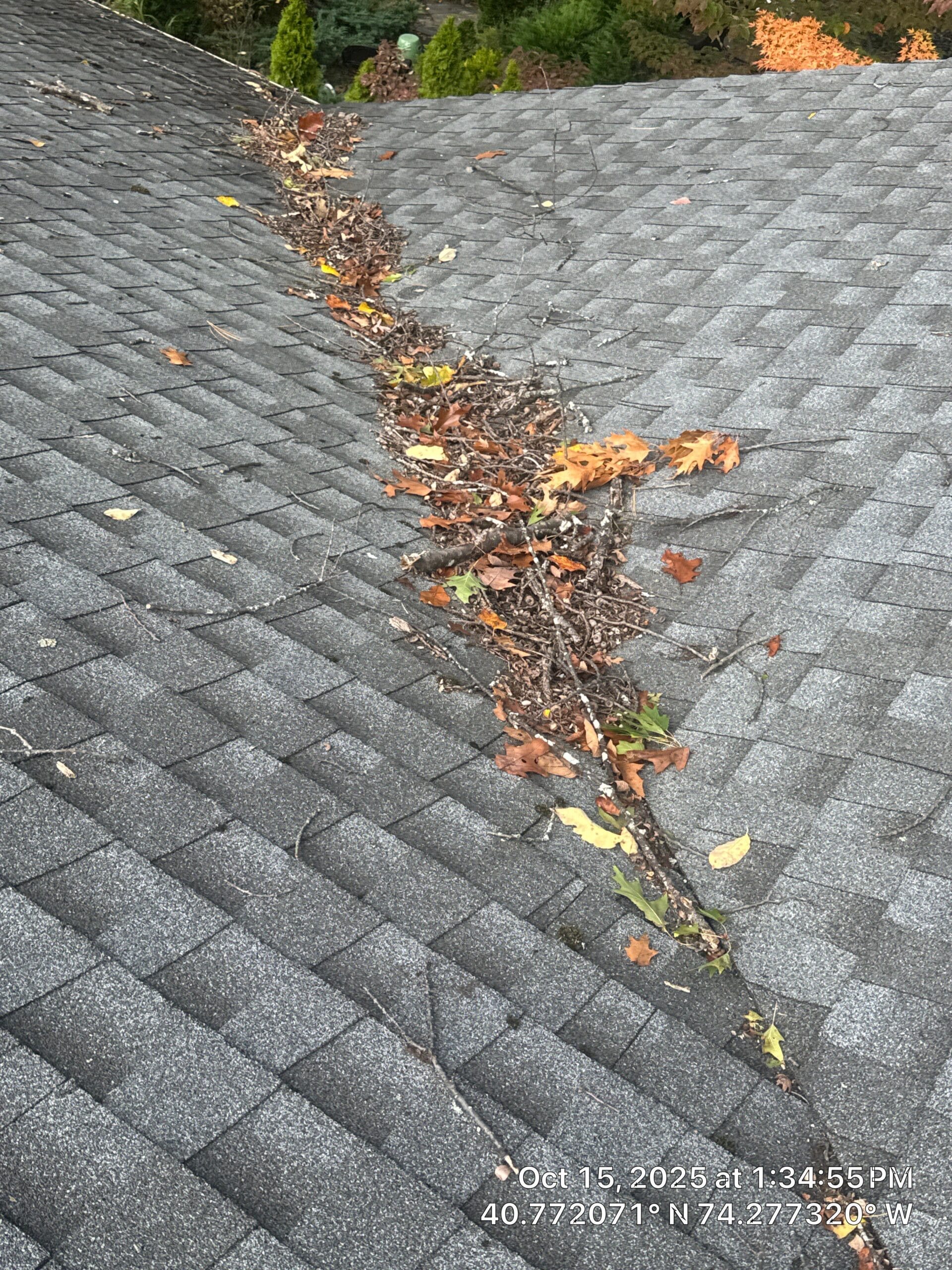
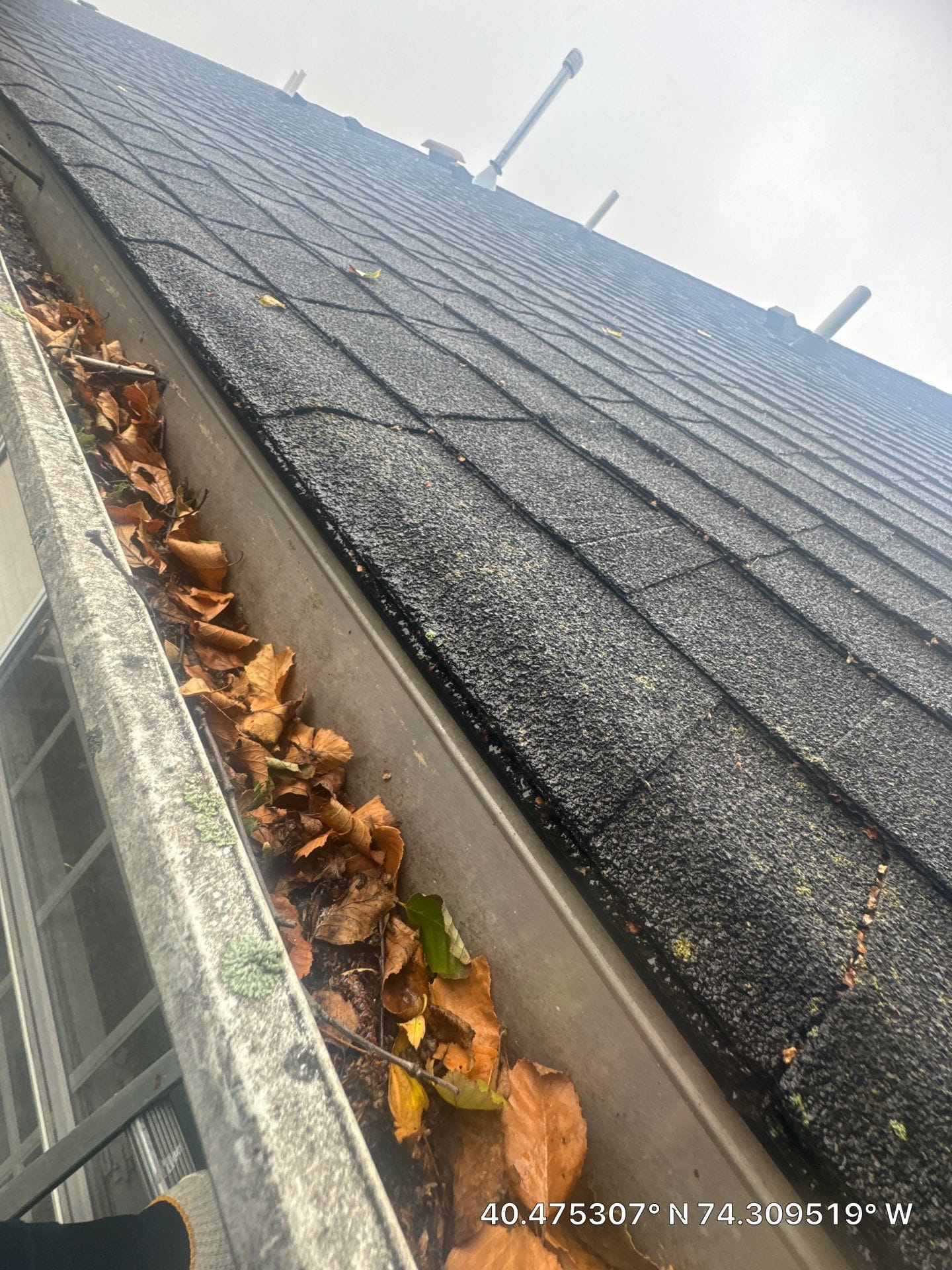
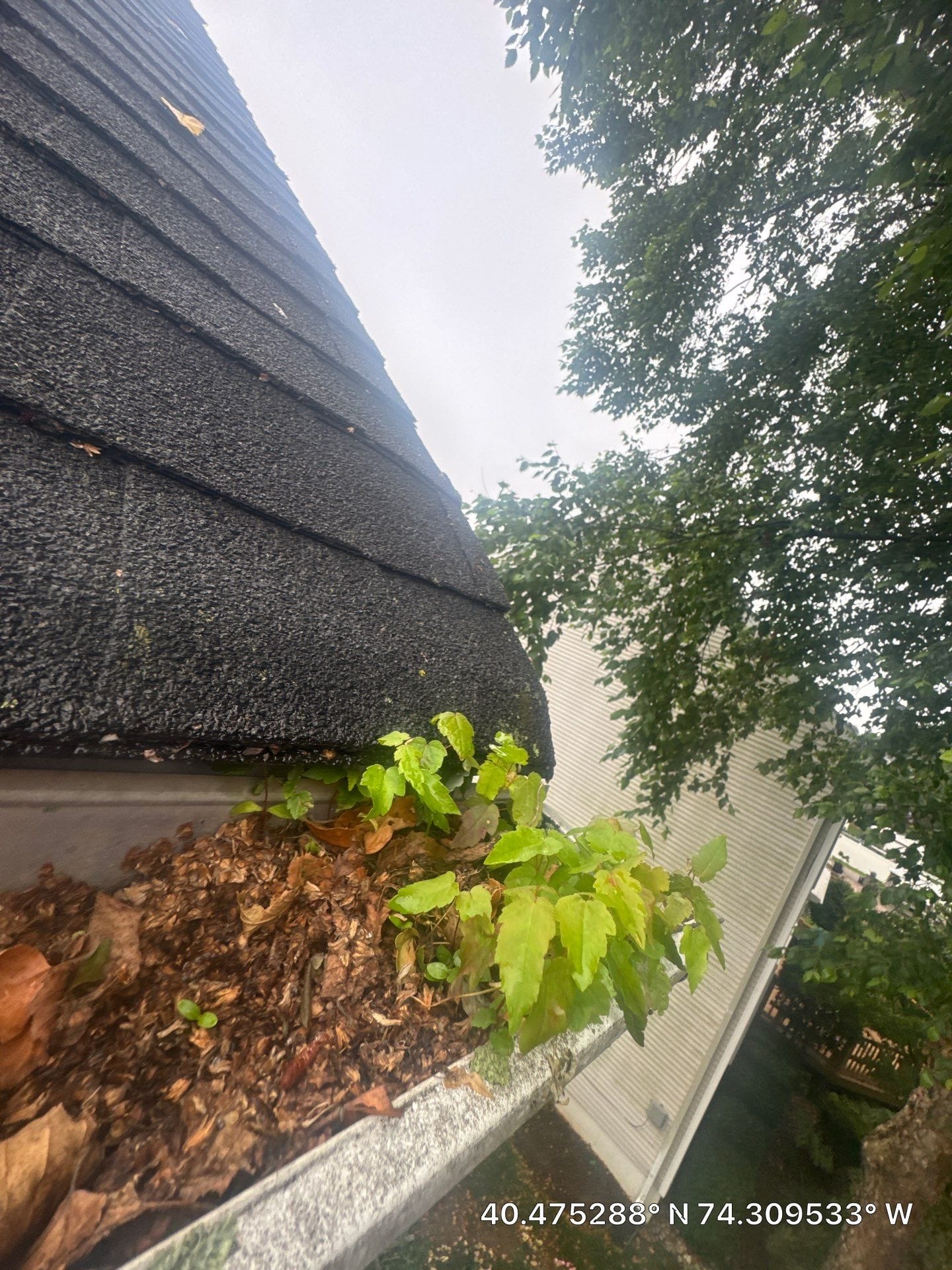
How Tree Debris Clogs Gutters and Downspouts
Tree debris enters gutters through natural shedding, wind, and storms, gradually forming clogs that restrict water flow. Leaves and twigs often accumulate in corners and downspout openings, creating dams that cause water to back up. Over time, this excess moisture can deteriorate gutter materials and lead to rust, sagging, or complete detachment from the fascia.
Effects on Roof and Structural Integrity
Clogged gutters not only affect drainage but also pose risks to the entire roof system. When water cannot properly flow through the gutters, it pools along the roof edges, increasing the likelihood of leaks, wood rot, and mold growth. In winter, trapped moisture can contribute to ice dams, which put additional strain on shingles and fascia boards, accelerating their deterioration.
Foundation and Landscape Damage from Overflow
When gutters overflow due to blockages, the excess water spills over the sides and collects near the foundation. This can lead to soil erosion, basement flooding, and cracks in the foundation over time. Additionally, improperly drained water can wash away mulch, kill plants, and create muddy patches in landscaping areas, reducing curb appeal and structural stability.
Preventative Measures: Gutter Guards and Leaf Screens
Installing gutter guards or leaf screens is one of the most effective ways to prevent tree debris from clogging gutters. These protective systems filter out larger debris while allowing water to pass through freely. Options include mesh screens, surface tension guards, and foam inserts, each offering varying levels of protection and maintenance requirements.
Routine Cleaning and Maintenance Strategies
Regular gutter cleaning is essential, especially in areas with dense tree coverage. Homeowners should inspect and clean gutters at least twice a year—typically in the spring and fall—to remove accumulated debris. Using tools such as gutter scoops, power washers, or leaf blowers can make the cleaning process more efficient. Additionally, hiring professional gutter cleaning services ensures thorough maintenance and early detection of any gutter issues.
Tree Management and Strategic Landscaping
Trimming overhanging branches reduces the amount of debris falling into gutters and minimizes the risk of storm damage. Planting trees at a safe distance from the home can also prevent excessive leaf accumulation. Choosing tree species with minimal shedding characteristics can further reduce the frequency of gutter maintenance.
Tree debris can significantly impact gutter performance and overall roof drainage, leading to costly structural and foundation issues if left unaddressed. By implementing protective measures such as gutter guards, regular cleaning, and strategic landscaping, homeowners can extend the lifespan of their gutter systems and ensure effective water management. Proper maintenance not only preserves the home’s structural integrity but also enhances its overall efficiency and curb appeal.