


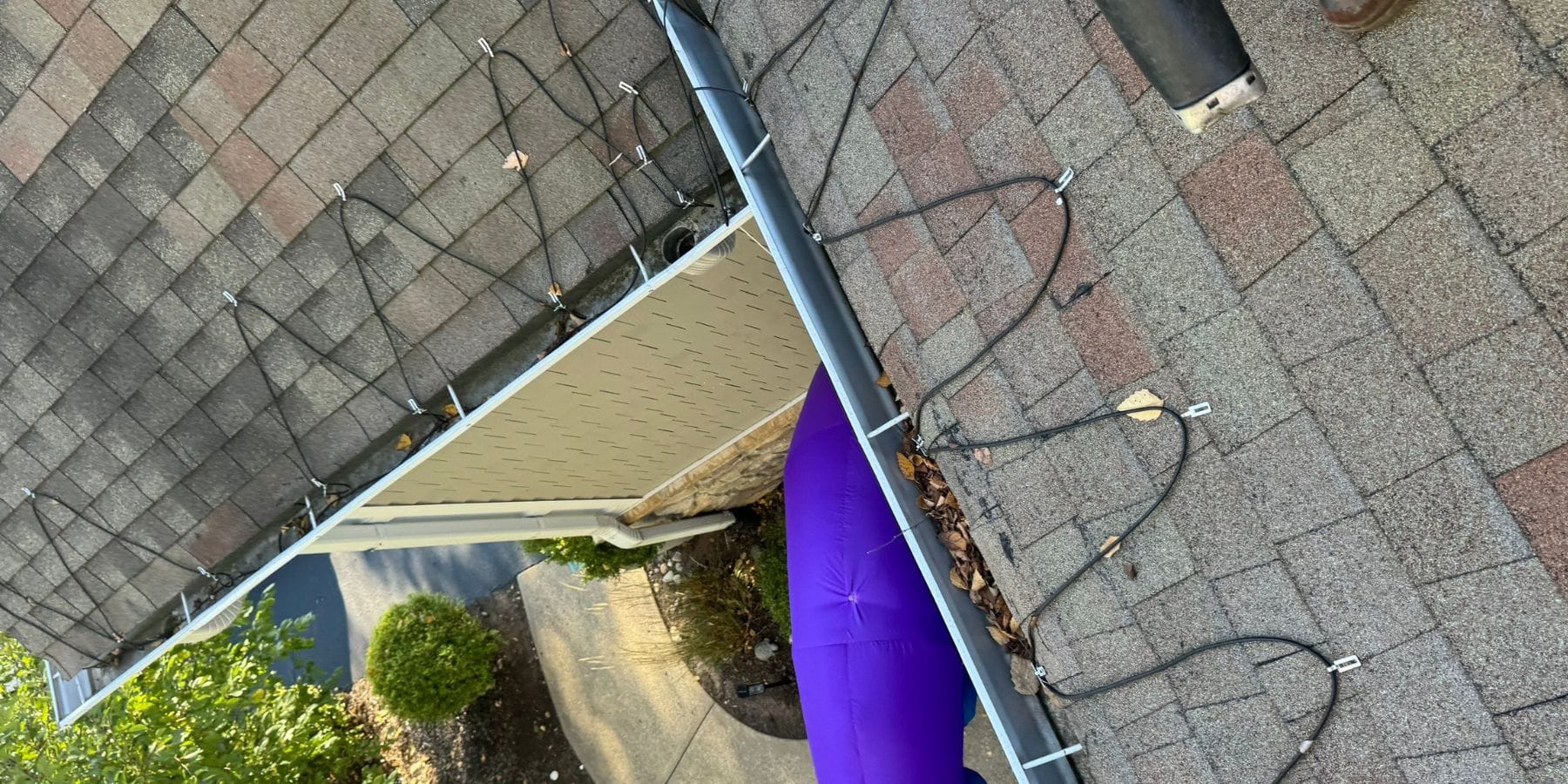
Cold climates pose significant challenges for gutter systems, particularly the formation of ice dams and water backup, which can lead to roof damage and structural issues. Gutter heating systems provide an effective solution by preventing ice buildup and ensuring proper drainage during winter months. Understanding how these systems work and the benefits they offer can help homeowners make informed decisions about winterizing their gutter systems.
How Gutter Heating Systems Work
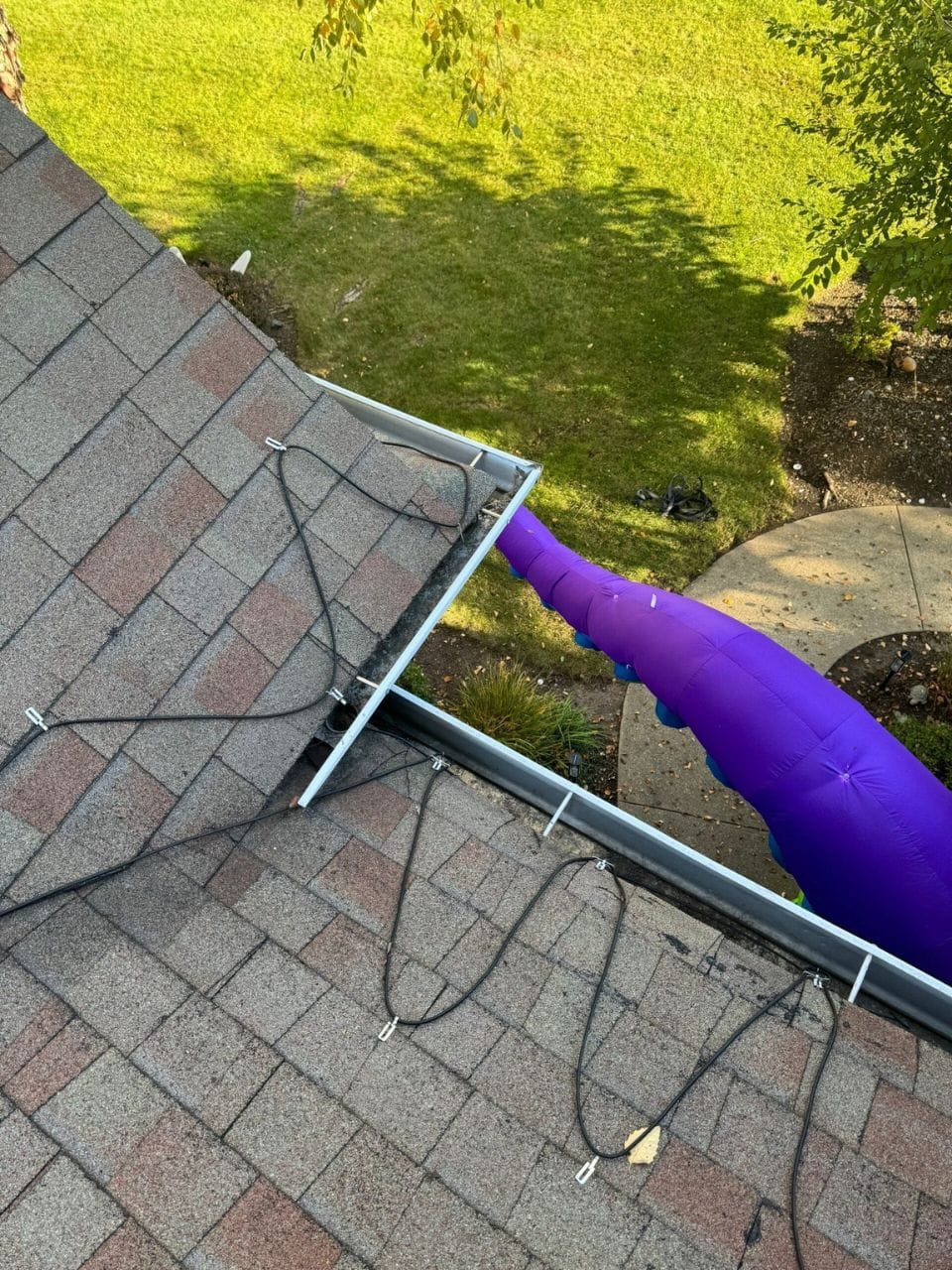
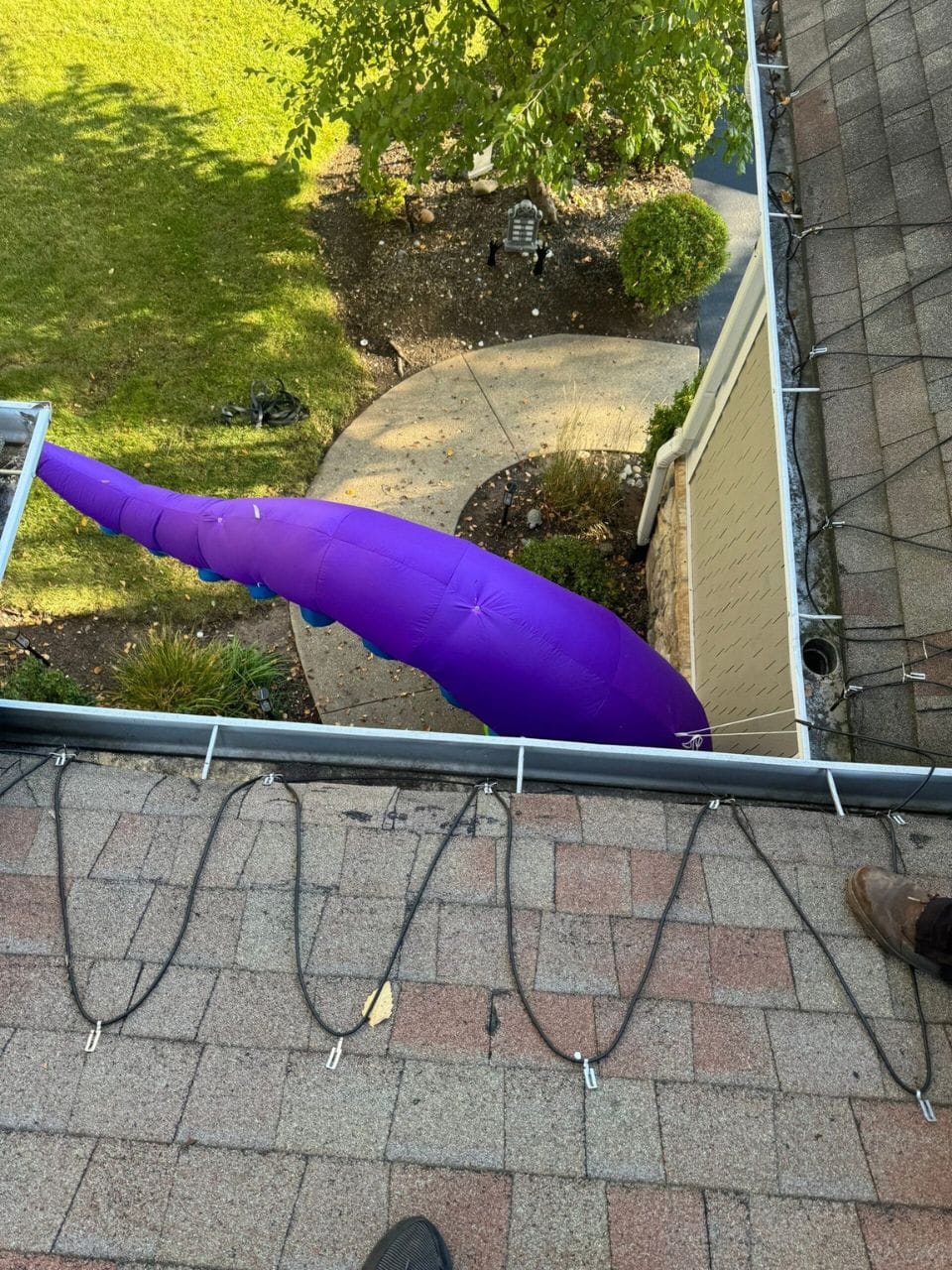
Gutter heating systems typically use heat cables or self-regulating heating elements installed within the gutters and downspouts. These systems generate enough warmth to prevent snow and ice from accumulating, allowing water to flow freely. They are commonly installed in problem areas where ice dams frequently form, such as roof valleys and eaves.
Preventing Ice Dams and Structural Damage
Ice dams occur when melting snow refreezes at the roof’s edge, blocking proper water drainage. This leads to water backup under shingles, causing leaks and potential interior damage. Heated gutters help mitigate this issue by maintaining a consistent temperature, preventing ice formation, and reducing the risk of water infiltration.
Types of Gutter Heating Systems
There are different types of heating systems designed to suit various gutter configurations:
- Self-Regulating Heat Cables: These cables adjust their temperature based on external conditions, reducing energy consumption while maintaining efficiency.
- Constant-Wattage Heat Cables: These cables provide a steady output of heat but may consume more energy if not properly managed.
- Hydronic Heating Systems: Less common, these systems use heated water circulated through pipes to maintain warmth in the gutters.
Installation and Compatibility Considerations
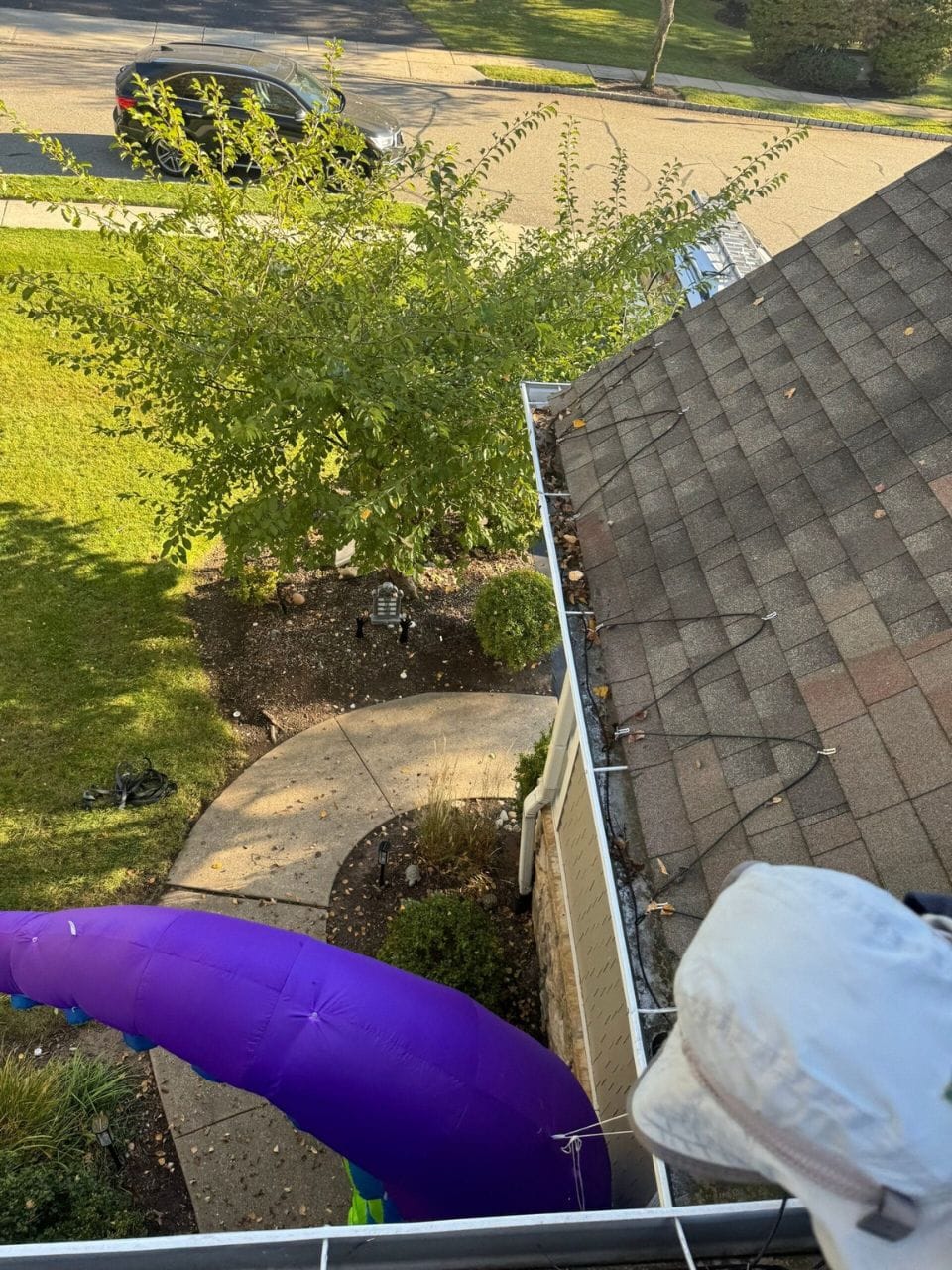
Gutter heating systems can be installed on existing gutters or integrated during a new gutter installation. Proper placement is crucial for maximum efficiency, and cables should be positioned along roof edges, valleys, and downspouts. Professional installation ensures proper wiring and reduces the risk of electrical hazards.
Energy Efficiency and Cost Considerations
The cost of a gutter heating system varies depending on the type, length of coverage, and installation complexity. Self-regulating cables offer the best energy efficiency by adjusting heat output as needed. Homeowners should consider their regional winter conditions and the potential costs of ice damage when evaluating the return on investment for a heating system.
Maintenance and Long-Term Performance
Regular inspections and maintenance help ensure the heating system functions correctly throughout the winter. Checking for damaged cables, ensuring proper electrical connections, and keeping gutters free from debris enhances system performance and longevity. Timely repairs prevent malfunctions and maintain consistent ice prevention.
Gutter heating systems are a valuable investment for homeowners in cold climates, helping prevent ice dams and reducing the risk of roof and gutter damage. By choosing the right system, ensuring professional gutter installation, and performing regular maintenance, homeowners can enhance their home’s winter weather resilience and protect their roofing infrastructure from costly repairs.