


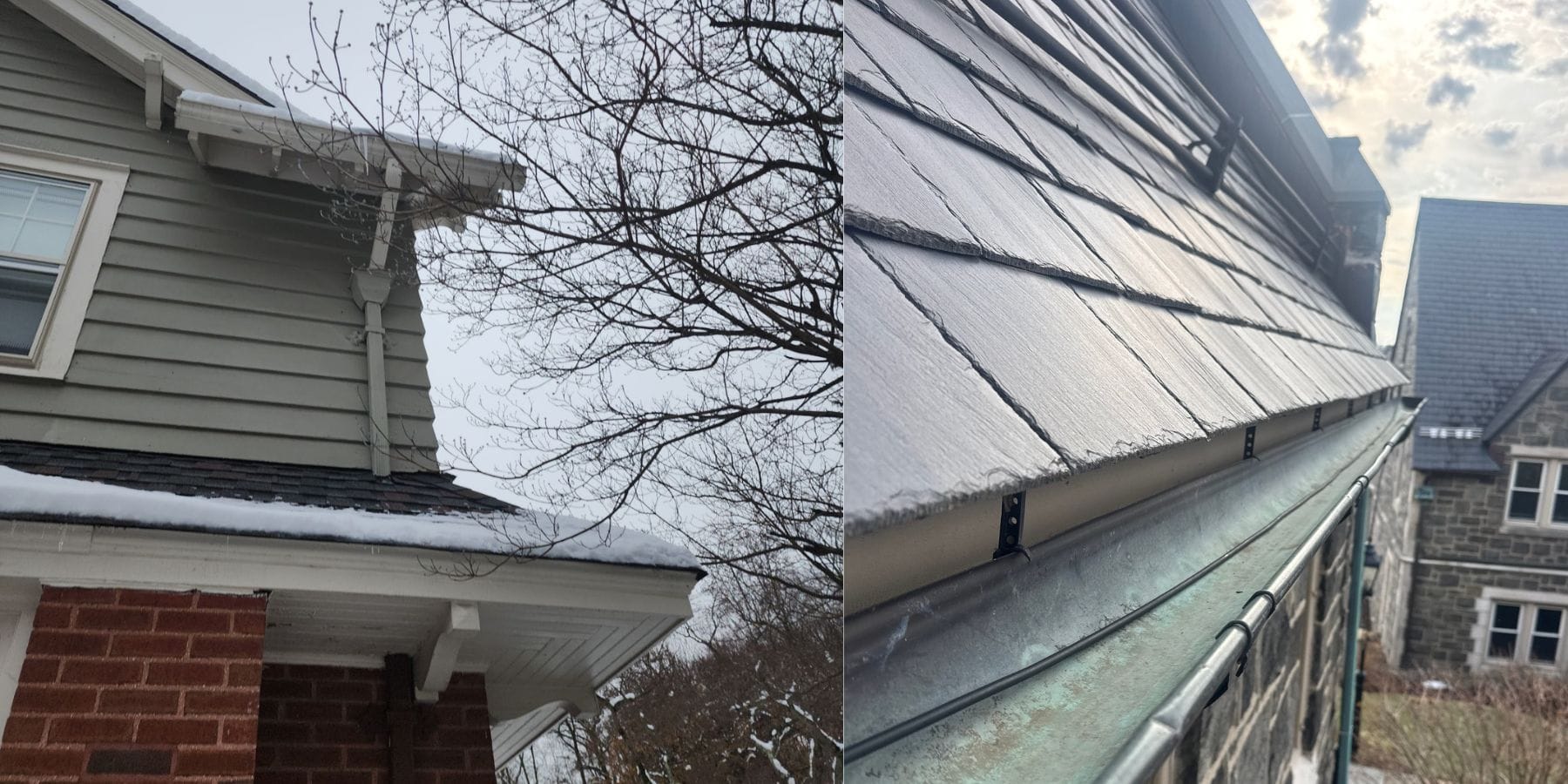
Selecting the right gutter profile is essential for both functionality and curb appeal. Among the most common gutter styles, half-round and K-style gutters offer distinct advantages depending on architectural style, water management needs, and maintenance considerations. Understanding their differences helps homeowners and contractors make an informed decision for residential and commercial projects.
Design and Aesthetic Appeal
Half-round gutters feature a smooth, semicircular shape that complements historic and traditional homes, particularly those with classic European or Colonial-style architecture. Their symmetrical design offers a timeless aesthetic that enhances curb appeal. K-style gutters, with their flat bottom and decorative front profile, mimic crown molding and suit modern, contemporary, and many suburban home designs. Their angular appearance integrates well with modern exteriors, offering a more structured and seamless look.
Water Flow and Drainage Efficiency
Due to their smooth interior and lack of corners, half-round gutters promote efficient water flow, reducing the likelihood of debris buildup and clogs. This makes them an excellent choice for homes in areas prone to heavy rainfall. K-style gutters, with their wider, flat bottom and increased capacity, can handle more water volume, making them ideal for steep roofs or larger homes. However, their angular shape can sometimes lead to debris accumulation, necessitating more frequent maintenance.
Durability and Material Options
Both half-round and K-style gutters are available in a range of materials, including aluminum, copper, steel, and vinyl. Half-round gutters, often chosen in copper or galvanized steel, are highly durable and resistant to corrosion. Their shape allows for easier cleaning and reduced debris buildup, enhancing longevity. K-style gutters, available in lightweight and cost-effective aluminum, are easier to install and provide excellent durability when properly maintained.
Installation and Mounting Considerations
K-style gutters are typically installed flush against the fascia board, making them easier and more cost-effective to mount. Their flat back provides secure attachment, eliminating the need for specialized brackets. Half-round gutters, on the other hand, require external brackets for support, which can increase installation costs. However, these brackets can add to the aesthetic appeal, especially for historic or high-end homes.
Maintenance and Cleaning Requirements
Half-round gutters are easier to clean due to their smooth interior, which prevents debris from getting stuck in corners. This reduces the risk of clogs and improves water flow efficiency. K-style gutters, with their angular design, can trap leaves and debris more easily, necessitating regular cleaning and the possible use of gutter guards to minimize buildup.
Cost Comparison and Long-Term Investment
K-style gutters are generally more affordable due to their widespread availability and ease of installation. They require fewer specialized accessories, making them a cost-effective solution for many homeowners. Half-round gutters, while often more expensive due to material and installation costs, provide long-term durability and a distinctive aesthetic appeal that may enhance property value.
The choice between half-round and K-style gutters depends on a balance of functionality, aesthetic preference, and budget considerations. Half-round gutters offer superior water flow and a classic look, making them ideal for traditional and high-end properties. K-style gutters, with their higher capacity and modern appeal, are a practical choice for contemporary homes and those in areas with heavy rainfall. Understanding these factors ensures that homeowners select the best gutter system for their specific roofing needs.