


Properly installed gutters play a critical role in protecting homes from water damage, and one of the most crucial factors in their performance is the spacing and load capacity of gutter hangers. Gutter hangers serve as the support system, keeping gutters securely attached to the fascia and ensuring they can handle varying weather conditions. Understanding best practices for gutter hanger placement and load distribution is essential for long-term stability and functionality.
Importance of Proper Gutter Hanger Spacing
Gutter hangers need to be spaced correctly to prevent sagging, detachment, and overflow. In general, hangers should be placed no more than 24 to 36 inches apart for standard residential gutters. However, in areas prone to heavy rain or snowfall, reducing the spacing to 18 inches or less provides added reinforcement. Proper spacing ensures the gutters maintain their shape and alignment even under increased load conditions.
Types of Gutter Hangers and Their Load Capacity
Different types of gutter hangers offer varying levels of support and durability:
- Spike and Ferrule Hangers: A traditional but less secure option that involves driving a spike through the gutter and into the fascia.
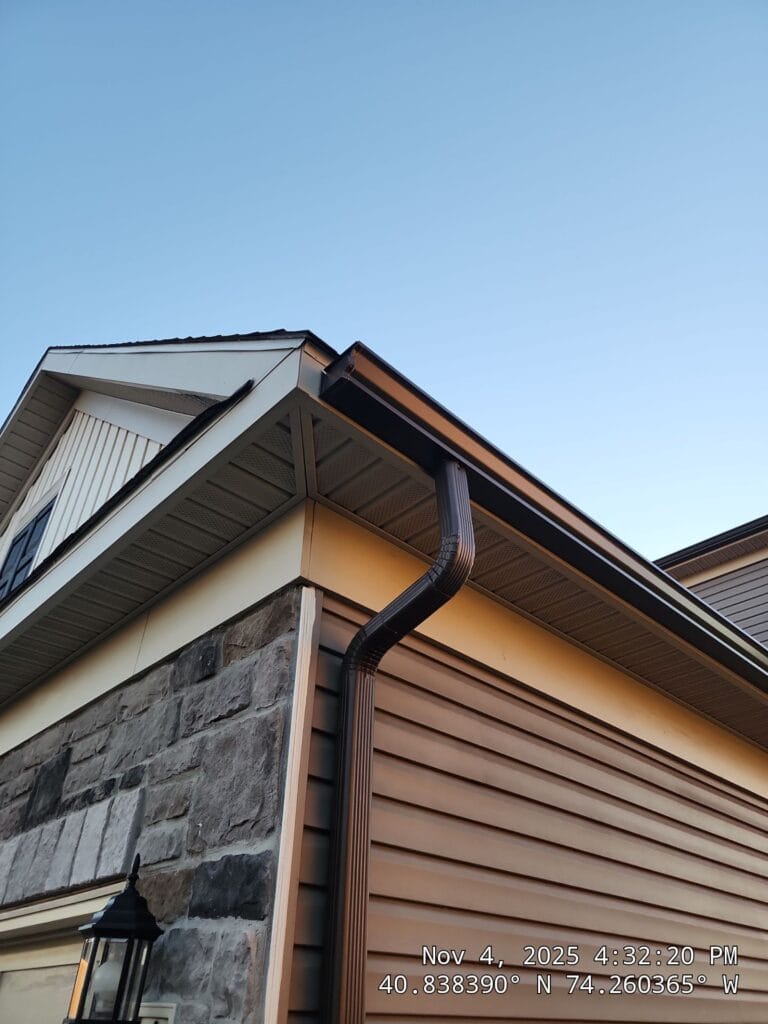
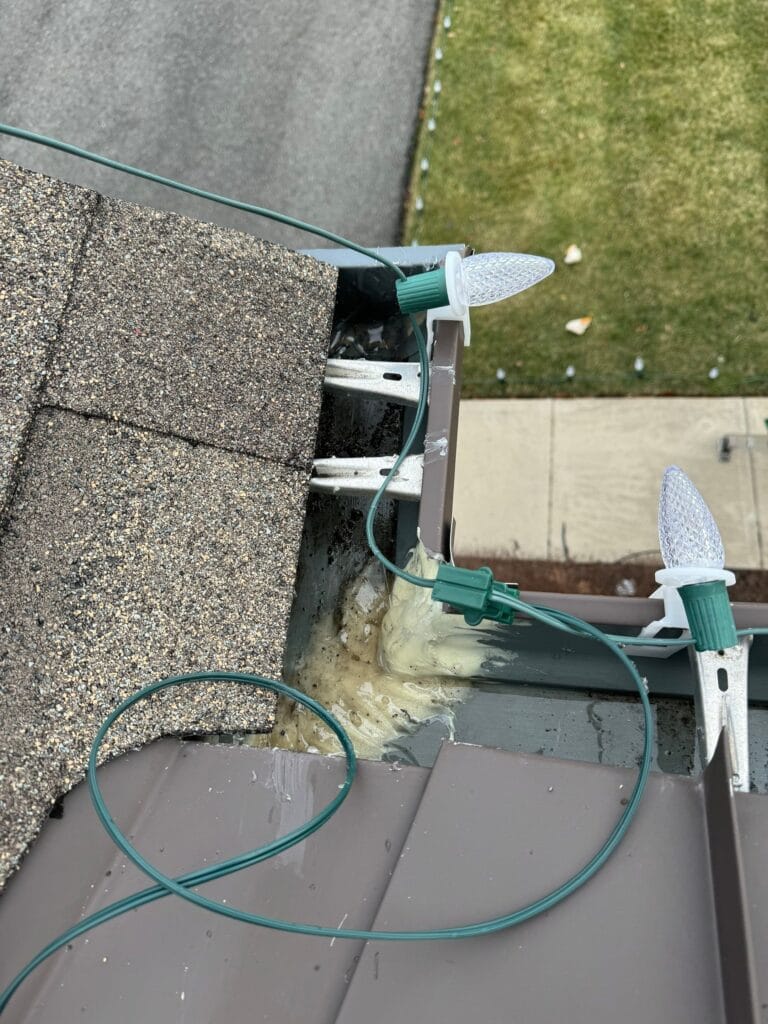
- Hidden Hangers: A modern and more effective option that clips inside the gutter and is fastened to the fascia with screws for a clean appearance and strong hold.
- Strap Hangers: Ideal for half-round gutters, these straps wrap around the gutter and secure it to the roof structure.
- T-Bar Hangers: Used in commercial applications or high-capacity systems, these provide additional load-bearing support. Choosing the right hanger type for the gutter material and climate conditions is essential to prevent structural failure.
Weather Conditions and Load Considerations
Regions that experience heavy snowfall, ice accumulation, or torrential rain require reinforced gutter systems. Ice and snow buildup can add substantial weight, increasing stress on gutter hangers. Using heavy-duty hangers and closer spacing in these areas ensures that gutters remain intact and operational even during extreme weather events.
Material and Fastener Selection for Longevity
The durability of gutter hangers depends not only on their design but also on the materials used. Stainless steel, aluminum, and galvanized steel hangers offer superior strength and corrosion resistance. Fasteners should be rust-resistant and long enough to penetrate the fascia board securely. Improper fasteners or weak materials can lead to premature gutter failure.
Inspection and Maintenance for Lasting Performance
Routine inspections help identify issues like loose or damaged hangers before they lead to more significant problems. Homeowners should check for hanger detachment, sagging gutters, or fasteners pulling away from the fascia. Seasonal maintenance, particularly before heavy rain or snow seasons, ensures that gutter systems remain structurally sound and efficient.
Gutter hanger spacing and load capacity are fundamental to the longevity and effectiveness of any gutter system. By selecting the appropriate hangers, ensuring proper spacing, and using high-quality materials, homeowners can prevent structural issues and costly repairs. Regular inspections and reinforcements in high-risk areas further contribute to a durable and reliable gutter system capable of withstanding various weather conditions.