


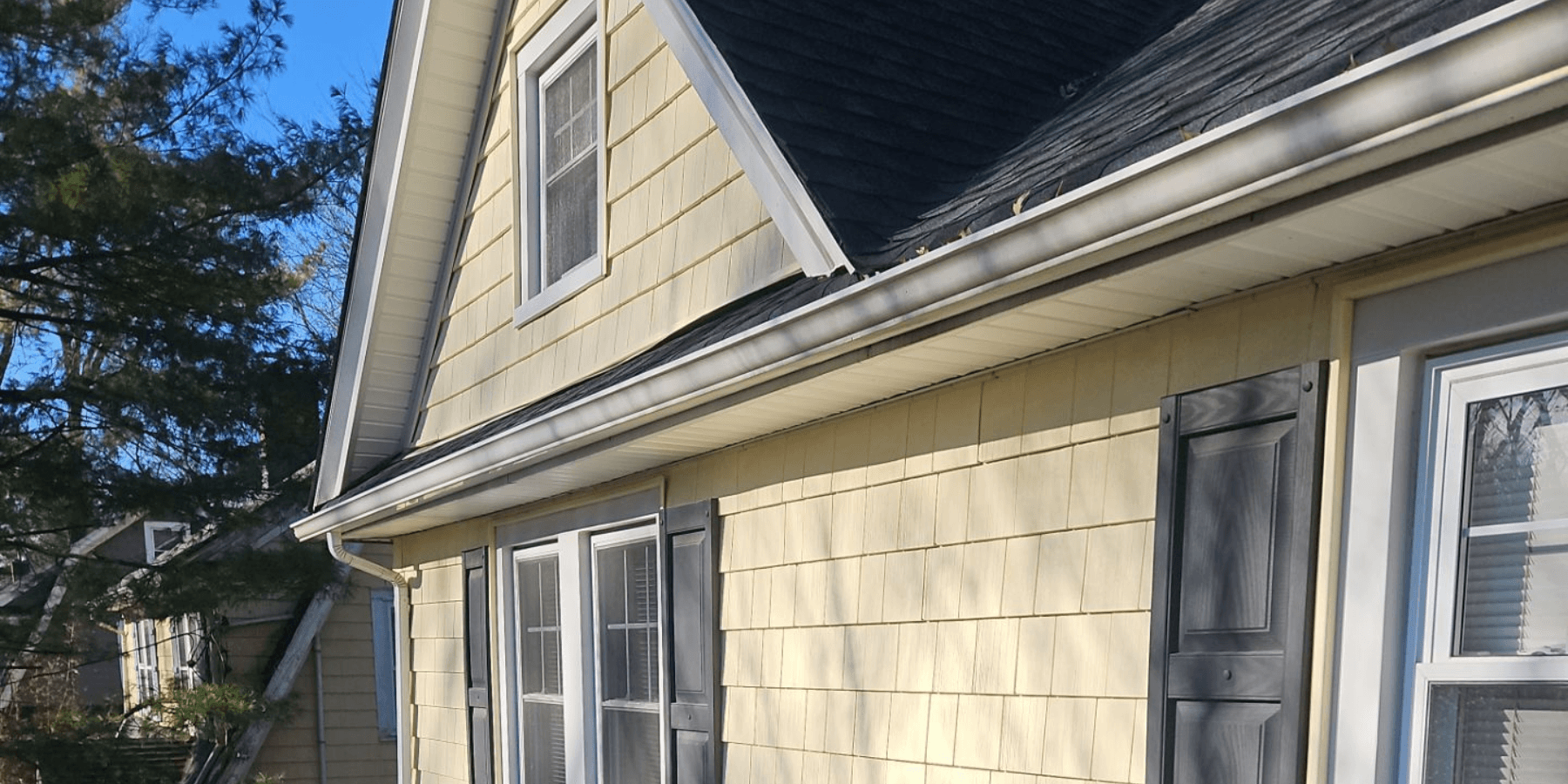
Gutter systems are constantly exposed to fluctuating temperatures, causing expansion and contraction of materials. Understanding how different gutter materials respond to thermal changes is essential for homeowners and contractors to ensure long-term durability and optimal water management. Choosing the right material and installation method helps prevent warping, leaks, and structural damage over time.
The Impact of Temperature Fluctuations on Gutters
Extreme heat and cold affect gutter materials by causing them to expand and contract. Repeated cycles of expansion and contraction can lead to stress fractures, joint separation, and deformation, which compromise the system’s effectiveness. In regions with significant seasonal changes, selecting a gutter material that can withstand temperature variations is crucial.
Material Choices and Their Thermal Stability
Different gutter materials react uniquely to temperature fluctuations:
- Aluminum Gutters: Lightweight and corrosion-resistant, aluminum gutters expand and contract moderately. Proper allowance for movement during installation can help prevent buckling.
- Vinyl Gutters: These gutters expand and contract significantly, making them more prone to warping and cracking in extreme weather.
- Steel Gutters: Strong and durable, steel has minimal expansion and contraction, but it is susceptible to rust if not properly coated.
- Copper and Zinc Gutters: These metals expand and contract at a slow rate while developing a natural patina that enhances durability.
Proper Installation Techniques to Mitigate Expansion Issues
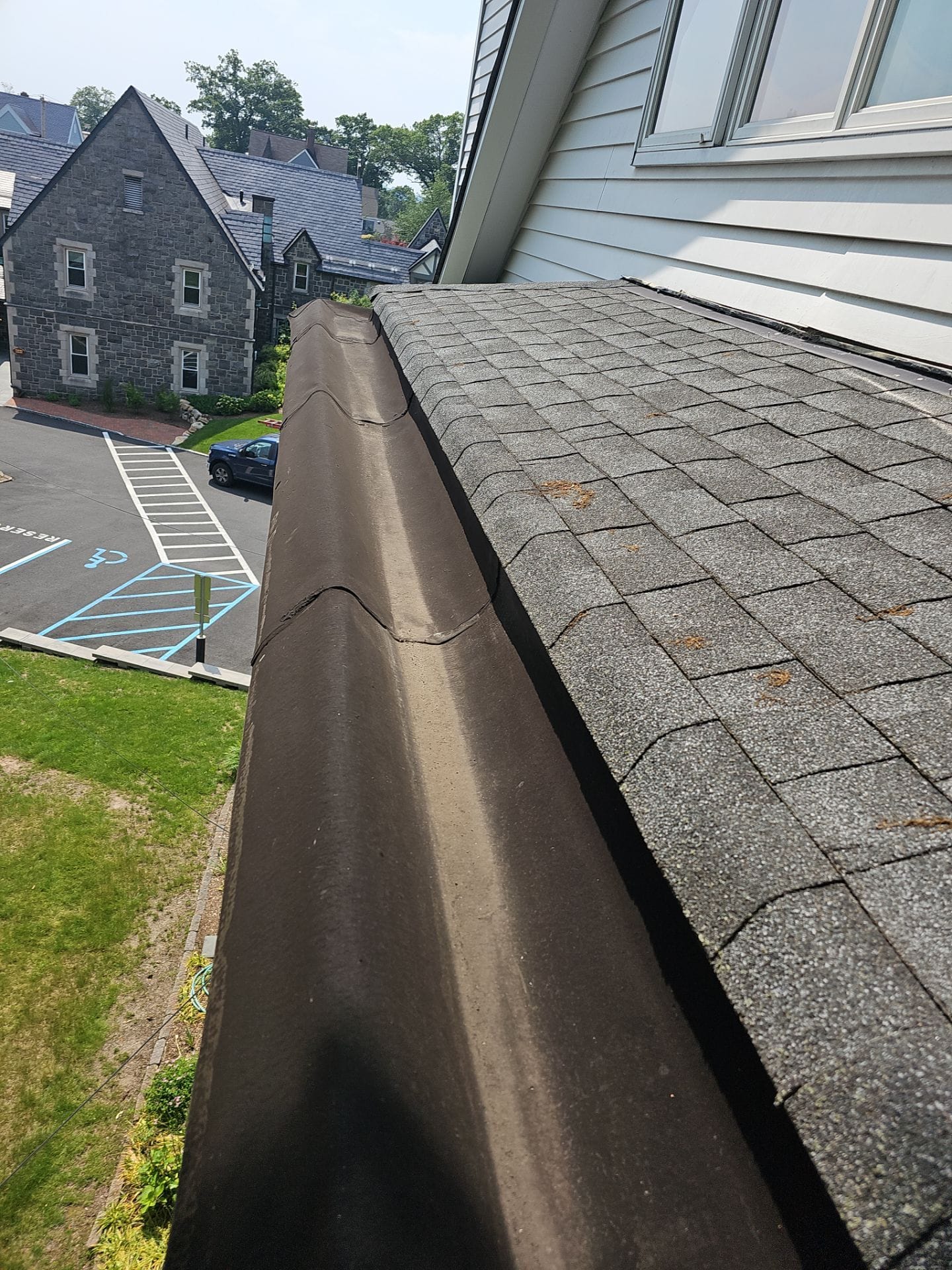
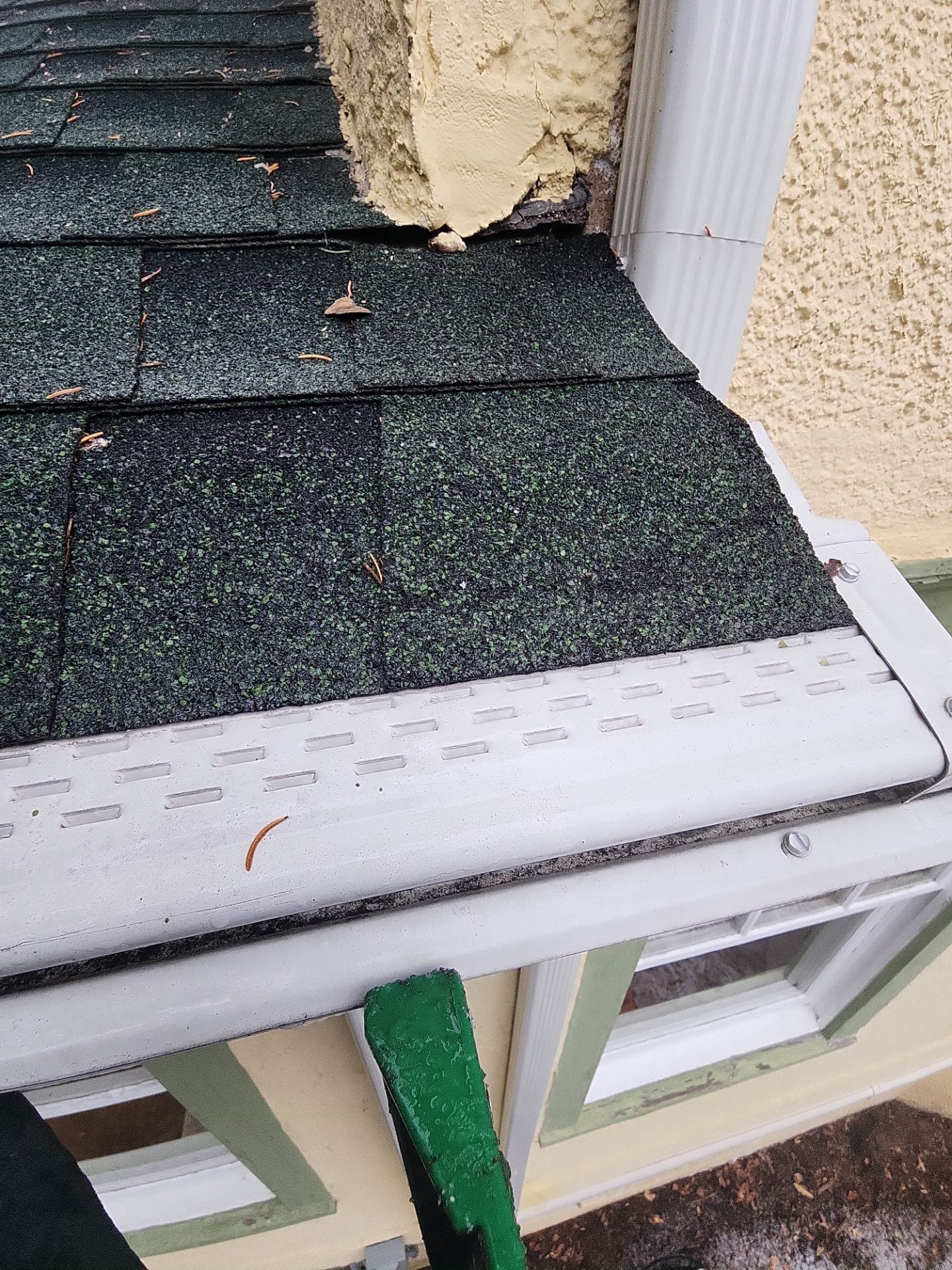
Installing gutters with expansion joints and slip connectors helps accommodate movement caused by temperature fluctuations. Fasteners should be secured in a way that allows slight movement, preventing stress points that could lead to cracking. Additionally, ensuring adequate slope and downspout placement reduces strain on the gutter system.
Seamless vs. Sectional Gutters in Temperature Variations
Seamless gutters reduce the risk of joint separation caused by expansion and contraction since they have fewer connection points. Sectional gutters, on the other hand, require extra sealing and reinforcement at joints to withstand thermal movement. In areas with extreme temperature swings, seamless gutters provide a more durable and low-maintenance solution.
Maintenance Considerations for Longevity
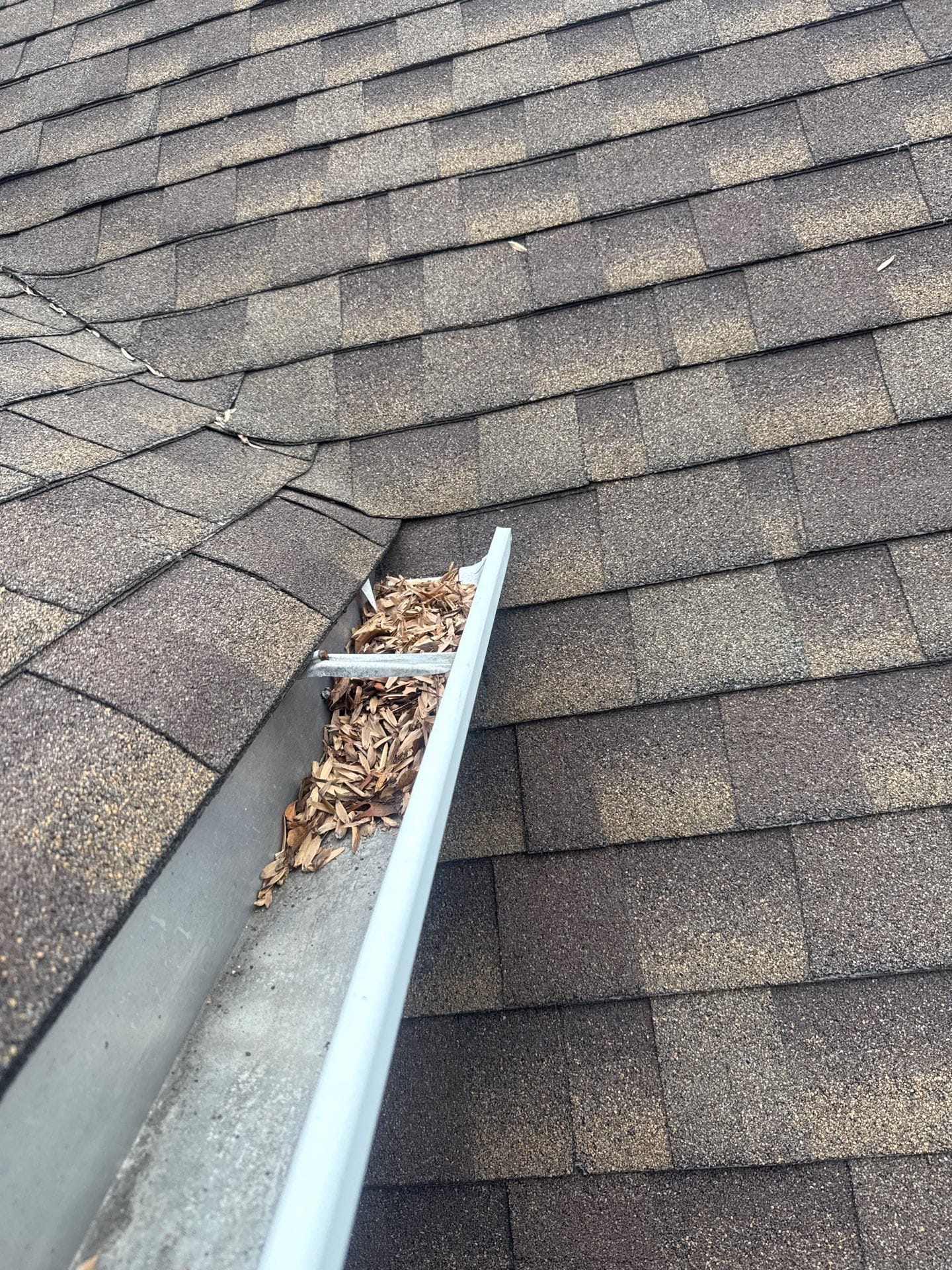
Routine inspections help identify issues caused by thermal expansion, such as loose fasteners, misaligned joints, or cracks. Homeowners should check gutters seasonally and reseal joints as needed to prevent leaks. Keeping gutters clean and free from debris also minimizes additional stress that can exacerbate material movement.
Understanding gutter expansion and contraction is essential for selecting the right material and installation approach in varying climates. Homeowners should consider the regional temperature range and choose materials that offer stability and durability. With proper installation techniques and regular maintenance, gutters can effectively manage water runoff without suffering damage from thermal fluctuations.