


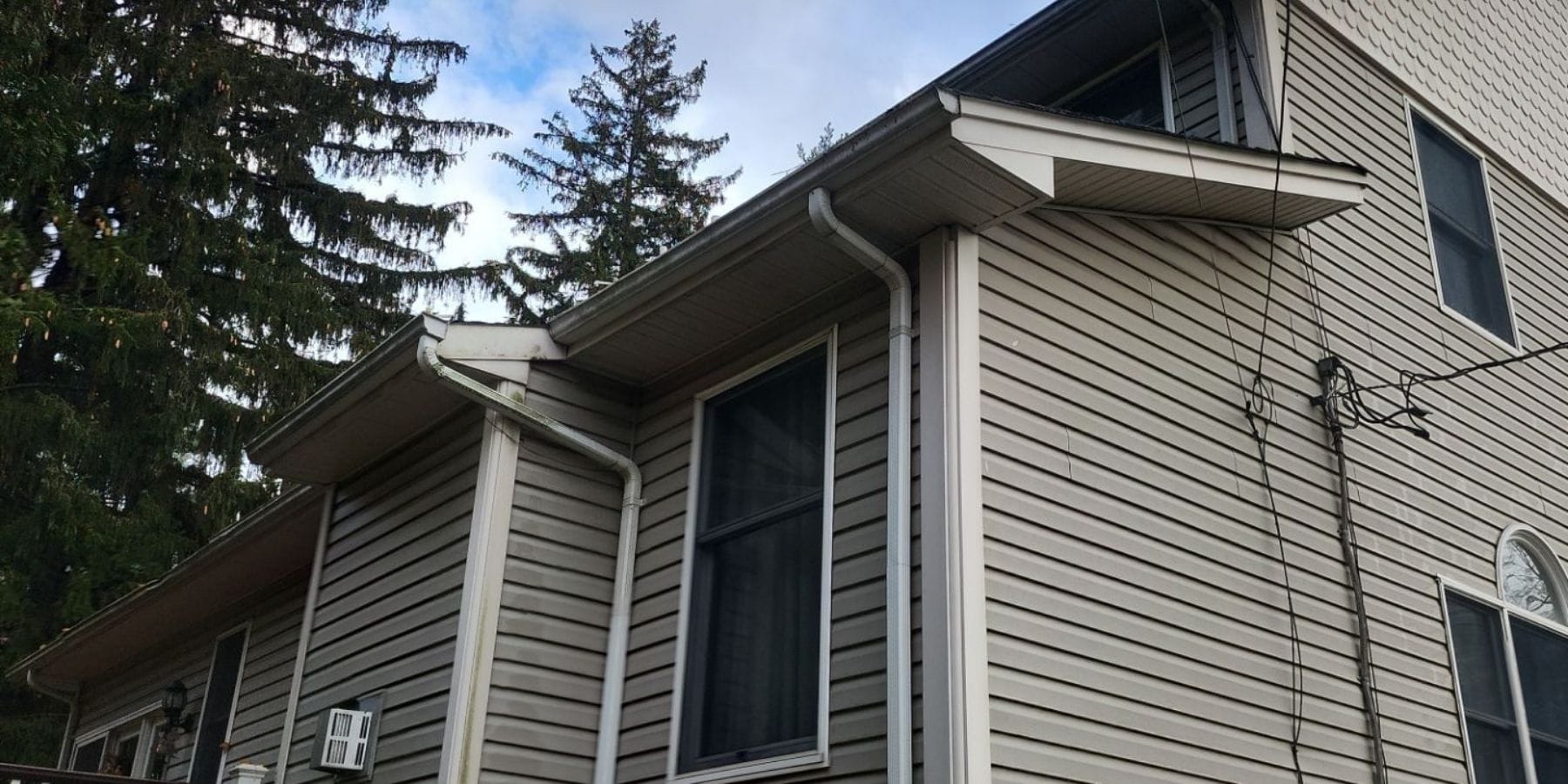
For homeowners and building owners in regions with frequent heavy rainfall, an efficient gutter system is critical to protecting structures from water damage. High-capacity gutters and multi-downspout solutions ensure that large volumes of water are effectively channeled away from the roof and foundation. Choosing the right system helps prevent erosion, basement flooding, and roof damage.
The Need for High-Capacity Gutters
Traditional gutters may not be sufficient in areas with heavy rainfall, leading to overflow and water pooling near the foundation. High-capacity gutters, typically wider and deeper than standard systems, are designed to handle increased water flow. Options like 6-inch K-style gutters or custom-built box gutters provide the necessary capacity to accommodate large volumes of water efficiently.
Gutter Shape and Sizing Considerations
The shape and size of gutters play a crucial role in water management. Half-round gutters, while aesthetically pleasing, may not handle as much water as K-style or box gutters. The width of the gutter should be matched to the roof size and pitch—steeper roofs shed water faster, requiring wider gutters to prevent overflow.
The Role of Multi-Downspout Systems
A single downspout may not be enough to handle water from an extensive roof span. Multi-downspout systems distribute water more evenly, reducing the risk of overwhelming a single drainage point. Proper placement and sizing of downspouts ensure that water flows away efficiently, minimizing the risk of foundation damage and soil erosion.
Material Selection for Heavy Rainfall Areas
The choice of gutter material affects durability and performance. Aluminum and steel are popular choices for high-capacity systems due to their strength and resistance to rust. Copper gutters offer long-term durability and aesthetic appeal, while vinyl is generally not recommended for extreme weather conditions due to its susceptibility to cracking and warping.
Enhancing Performance with Gutter Guards and Diverters
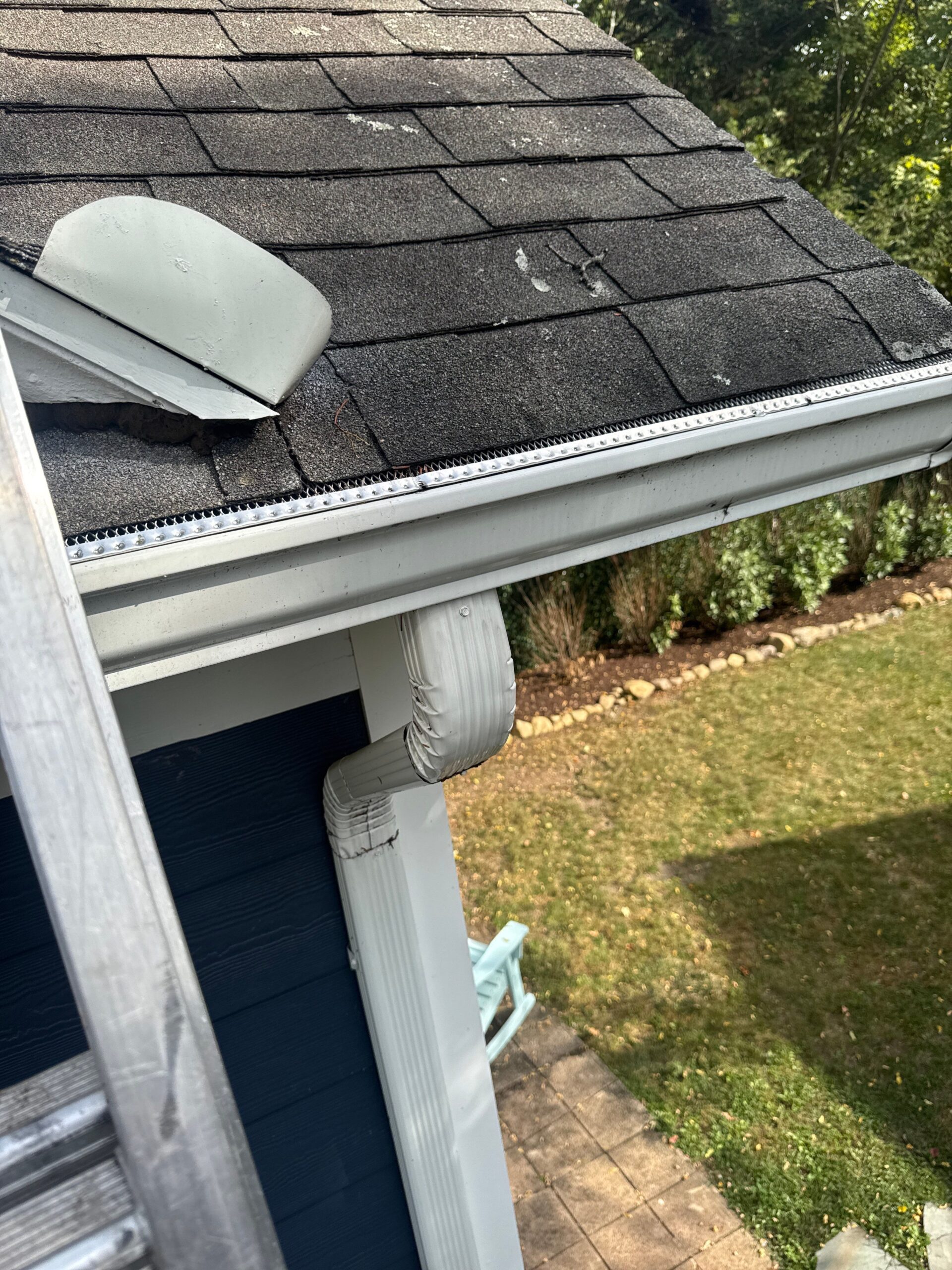
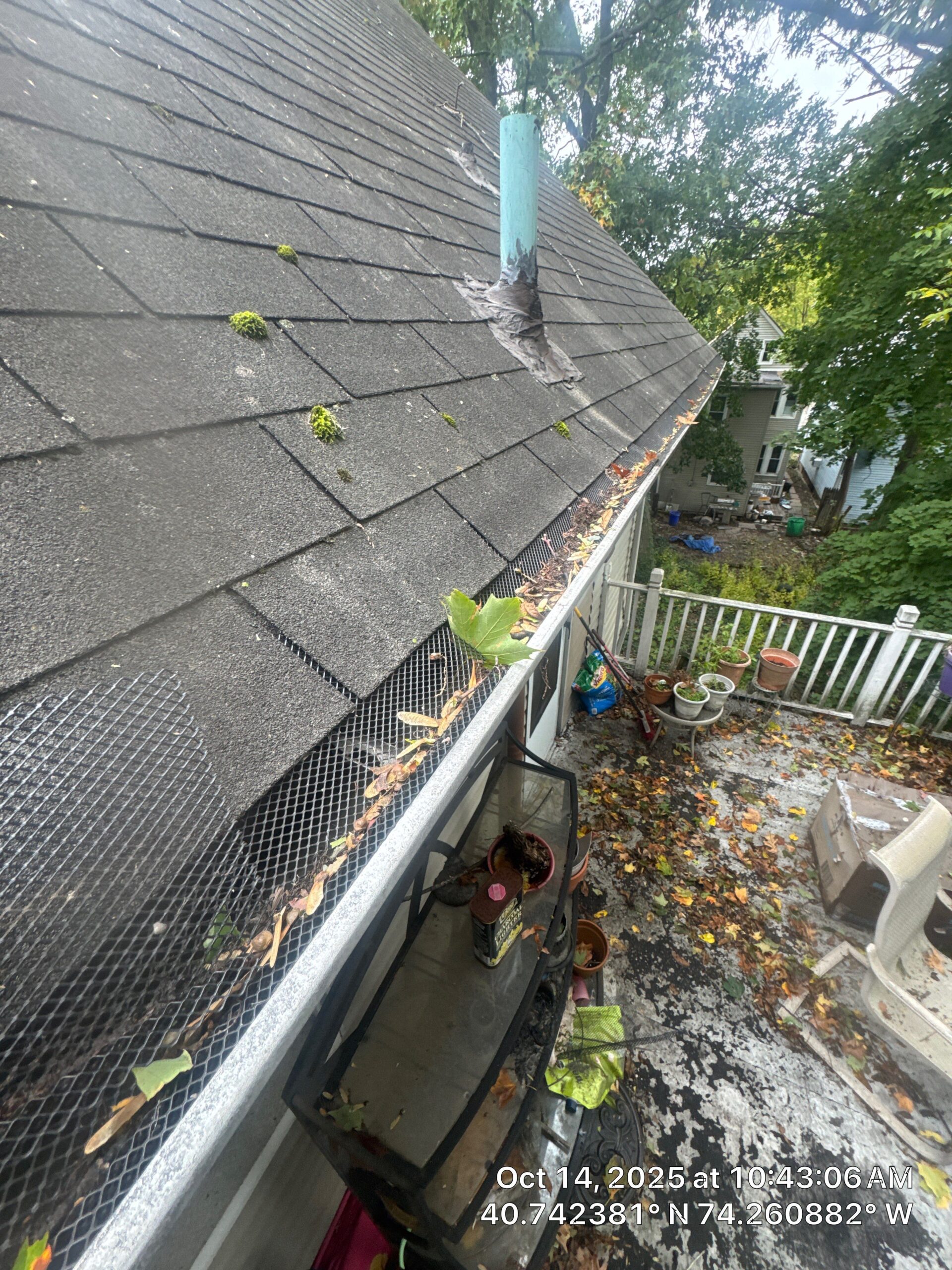
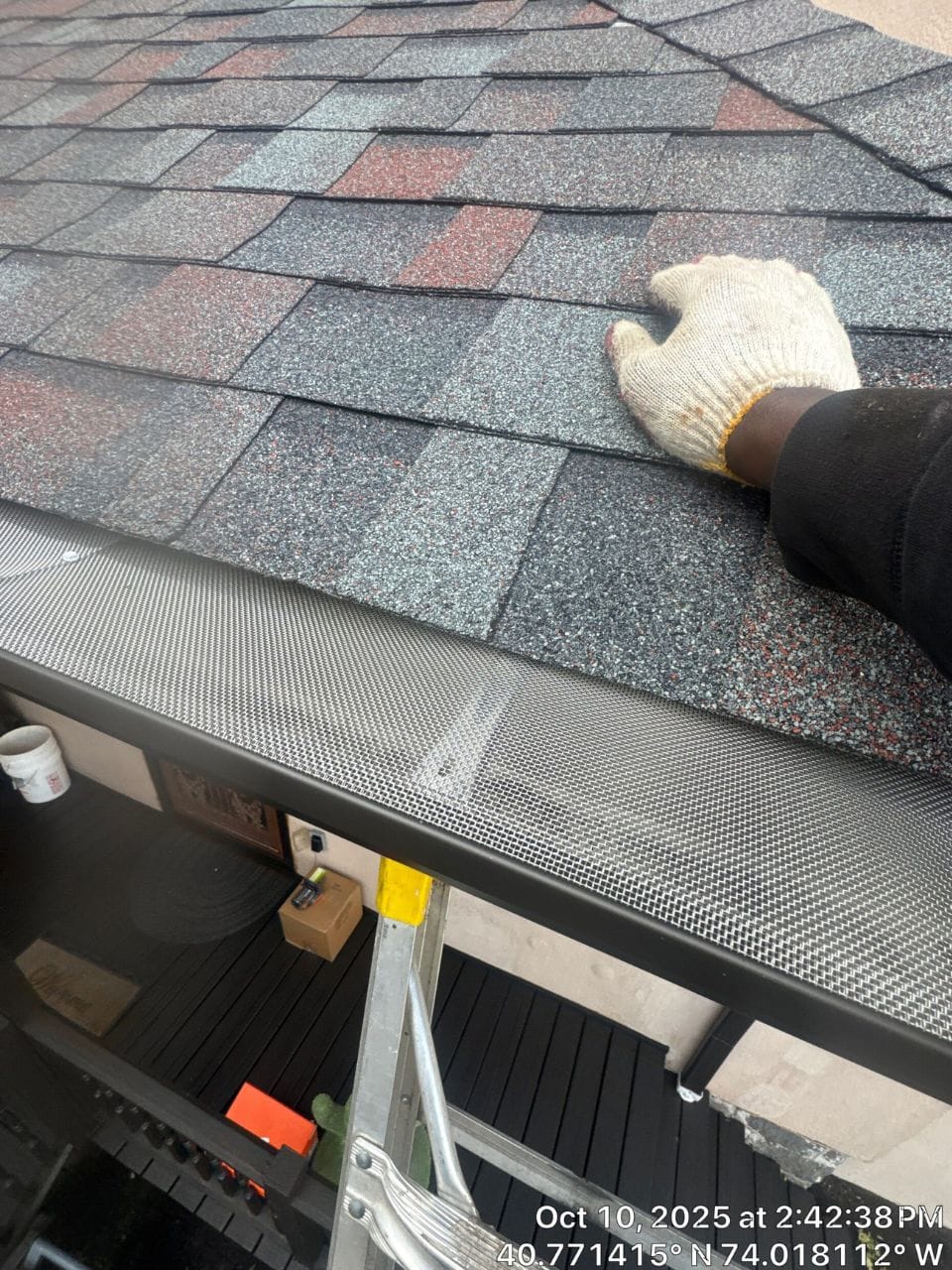
To maximize efficiency, homeowners can integrate gutter guards to prevent debris buildup and clogs, which can cause overflow. Rain diverters and splash guards help direct water into downspouts and prevent excessive runoff in vulnerable areas. These additions ensure that high-capacity gutters function optimally even during intense storms.
Installation Best Practices for Maximum Efficiency
Proper installation is key to ensuring high-capacity gutters and multi-downspout systems perform effectively. This includes ensuring the correct slope for water flow, securely fastening gutters to handle increased weight, and positioning downspouts to direct water away from the foundation. Hiring experienced gutter professionals ensures a seamless and durable installation.
Managing heavy rainfall requires a well-designed gutter system that can handle large water volumes without overflowing. High-capacity gutters combined with multiple downspouts provide an effective solution to protect roofs, foundations, and landscapes from water damage. By selecting the right materials, size, and installation techniques, homeowners can enhance their property’s resilience against heavy storms and prolonged rainfall.