


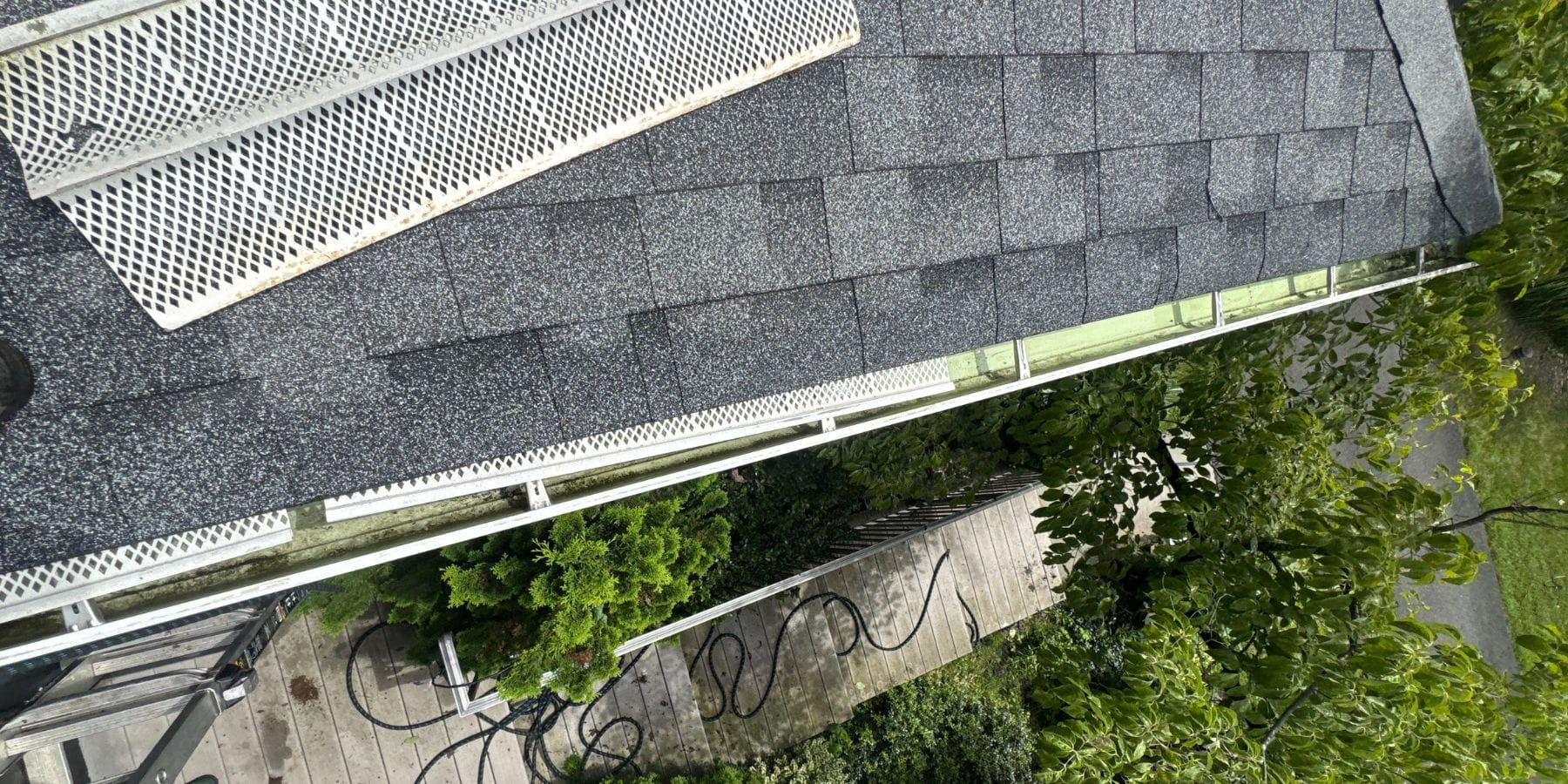
A well-functioning gutter system is essential for protecting a home from water damage, but older gutter systems can become inefficient over time. Homeowners facing issues with aging gutters must decide whether to repair or replace them. Understanding the key factors influencing this decision helps ensure the home remains protected while avoiding unnecessary costs.
Assessing the Condition of an Existing Gutter System
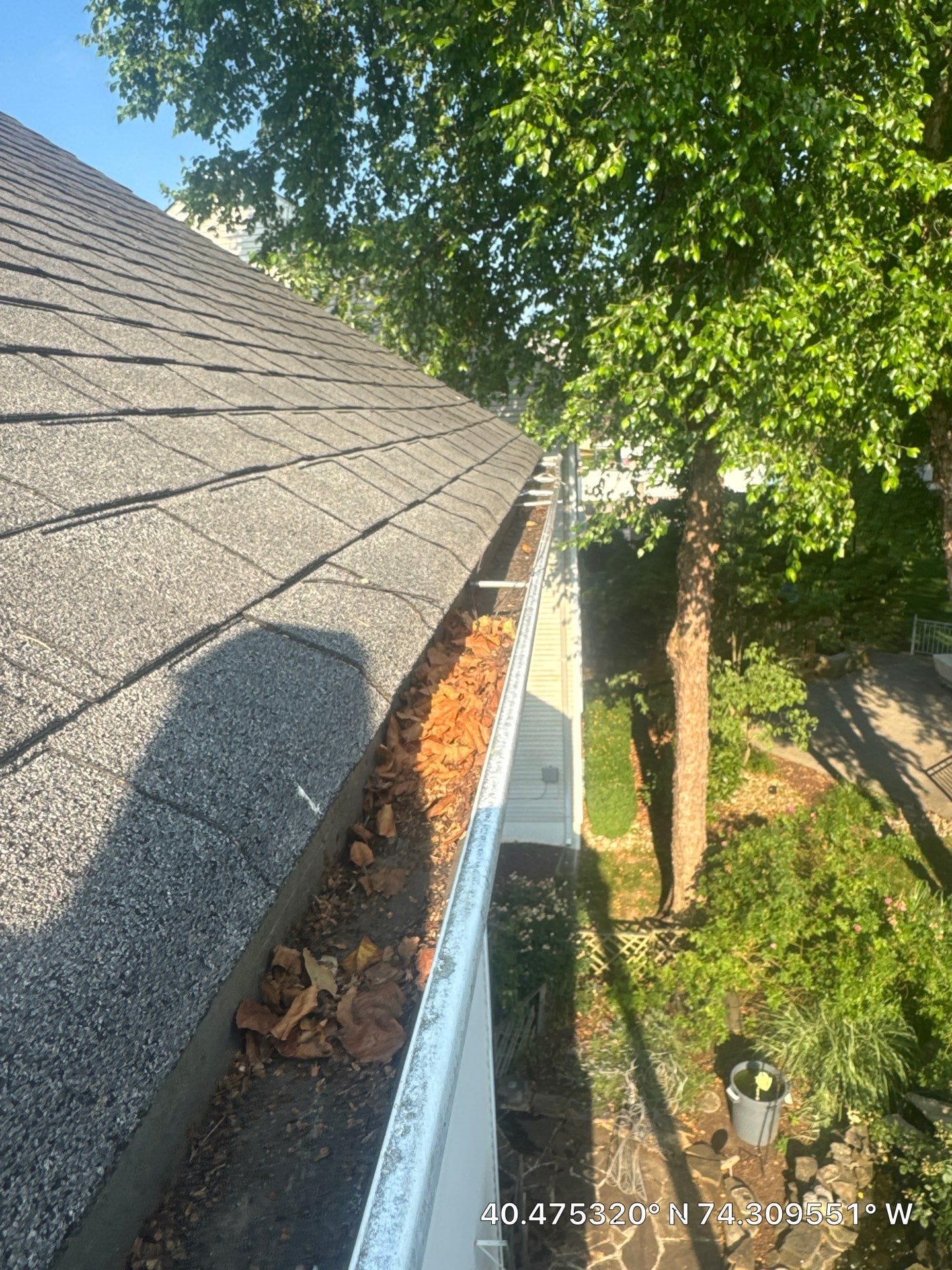
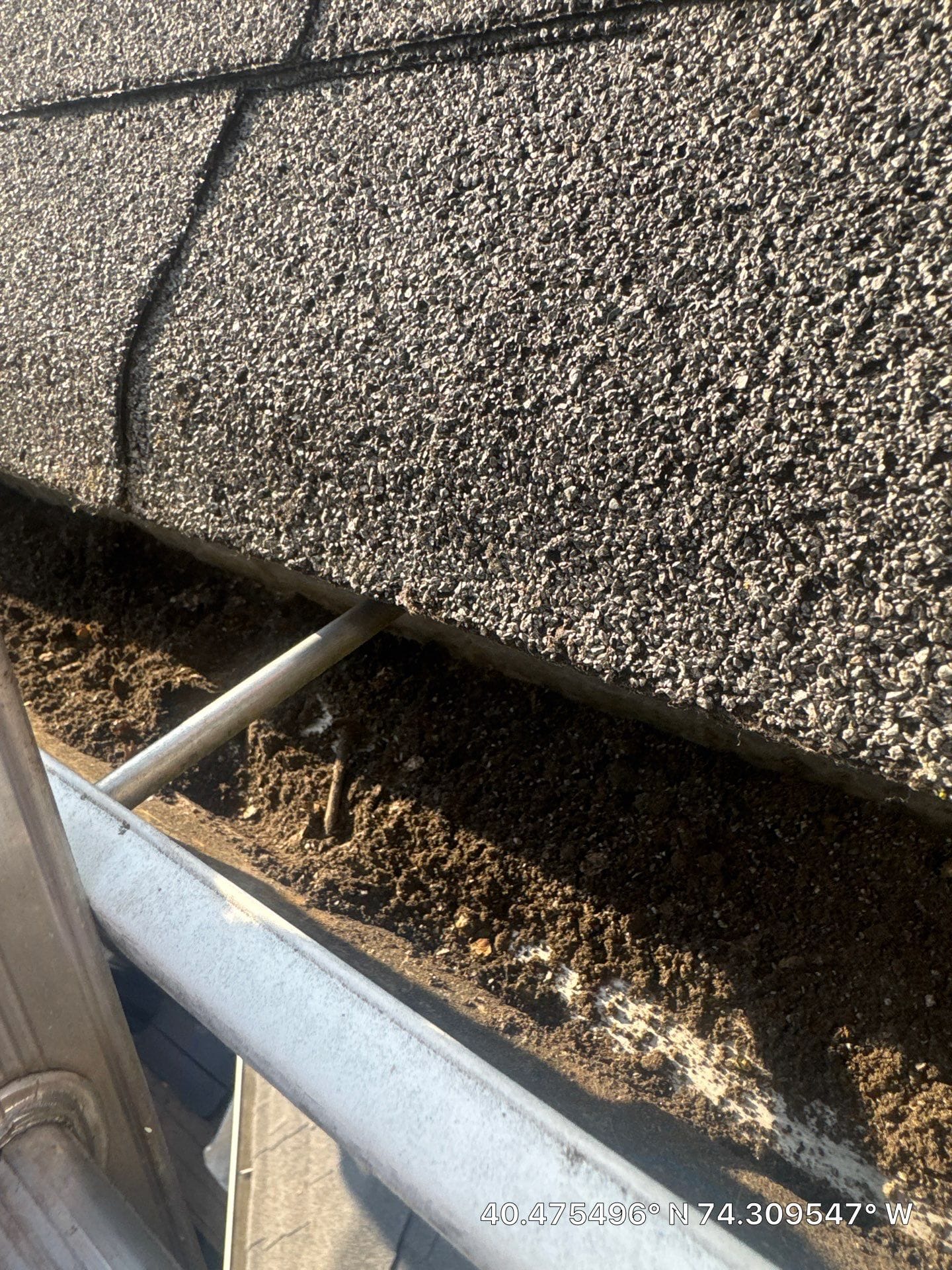
Before deciding on repair or replacement, a thorough inspection of the existing gutters is necessary. Signs of wear include sagging sections, rust, cracks, peeling paint, and water overflow. Minor issues like loose fasteners or small leaks may be repairable, whereas widespread damage often necessitates full replacement.
Common Repair Solutions for Aging Gutters
For gutters that are still structurally sound, repairs can extend their lifespan. Solutions include sealing small cracks with waterproof caulk, reattaching loose fasteners, replacing damaged sections, and cleaning out blockages to improve water flow. Reinforcing joints and applying protective coatings can further enhance durability, particularly for metal gutters susceptible to rust.
Indicators That a Full Replacement is Necessary
While repairs are effective for minor issues, there are cases where replacement is the better option. Persistent leaks, extensive rust, and large sections of sagging or detachment often indicate that the gutters are beyond repair. Additionally, if the system frequently clogs despite maintenance or fails to direct water away effectively, a new, modern system may provide better long-term protection.
Upgrading to Modern Gutter Materials and Designs
Older gutters are often made from materials that degrade faster than today’s advanced options. Upgrading to seamless aluminum, copper, or vinyl gutters can improve durability and reduce maintenance. Additionally, newer designs, such as K-style gutters with built-in reinforcement or hidden fastener systems, enhance performance and aesthetic appeal.
Enhancing Performance with Gutter Accessories
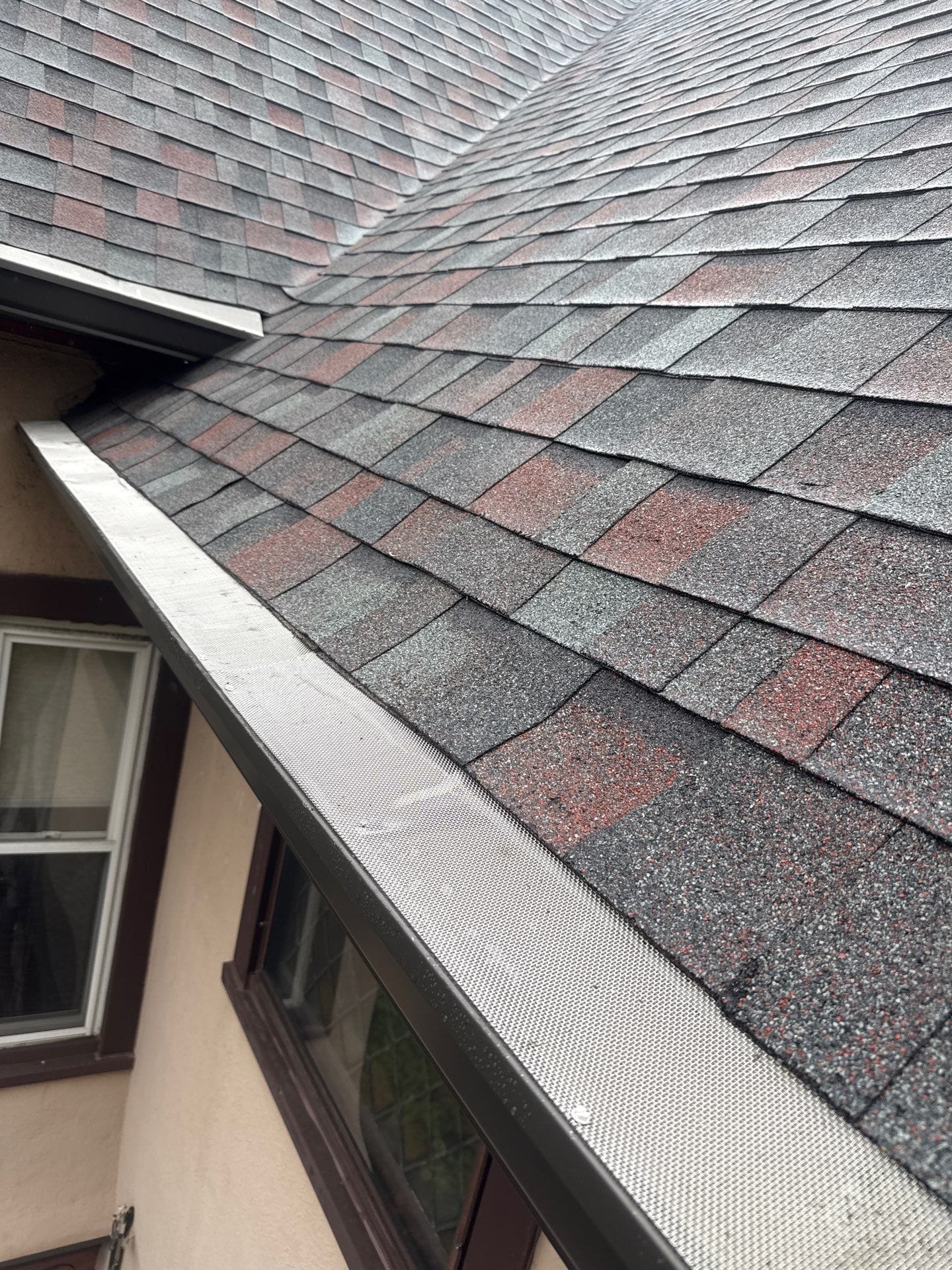
Retrofitting old gutters doesn’t always require a full replacement—adding accessories can significantly improve performance. Installing gutter guards reduces debris buildup, while larger downspouts enhance drainage capacity. Heating cables may also be added in colder climates to prevent ice dams and reduce winter-related damage.
Cost Considerations: Repair vs. Replacement
The decision to repair or replace gutters also depends on cost efficiency. While repairs are initially more affordable, frequent fixes can add up over time. Investing in a full replacement may be more cost-effective if the existing system is nearing the end of its lifespan, especially when considering potential property damage caused by failing gutters.
Deciding whether to repair or replace an old gutter system depends on factors such as structural integrity, material lifespan, and long-term cost considerations. Homeowners should assess their gutters regularly and weigh the benefits of repairs versus the advantages of modern upgrades. Whether opting for repairs or a full replacement, maintaining a reliable gutter system is crucial for safeguarding the home against water damage and costly structural issues.