


Proper gutter sizing is essential for effective water drainage and preventing costly damage to a building’s foundation, siding, and landscaping. The width and capacity of gutters must be carefully matched to the roof’s shape and pitch to handle rainfall efficiently. Selecting the right size ensures that water is directed away from the structure, reducing the risk of overflow and structural deterioration.
The Impact of Roof Pitch on Gutter Sizing
A roof’s pitch, or slope, directly affects the speed and volume of water runoff. Steeper roofs shed water more quickly, requiring larger gutters and additional downspouts to accommodate increased flow rates. A low-pitch roof, on the other hand, experiences slower runoff, allowing for smaller gutter systems. Calculating the roof’s pitch factor and combining it with regional rainfall data helps determine the appropriate gutter size for optimal drainage performance.
Standard Gutter Sizes and Their Applications
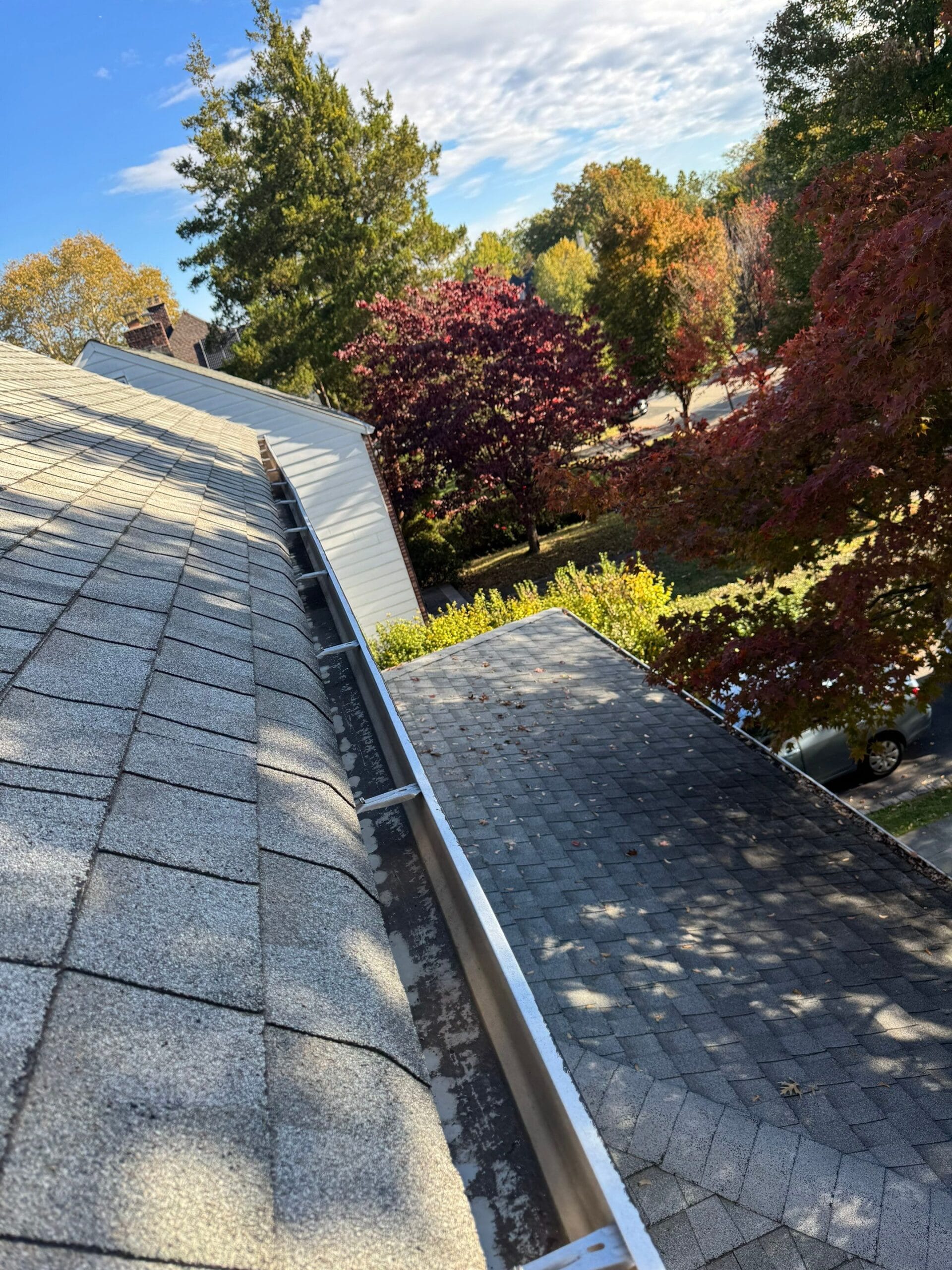
Residential properties typically use 5-inch or 6-inch gutters, with 5-inch K-style gutters being the most common choice. Larger homes or properties with steep roofs often require 6-inch gutters to handle higher water volumes. Commercial buildings and areas with heavy rainfall may benefit from oversized gutter systems, such as 7-inch or even 8-inch options, to prevent overflow and water damage.
K-Style vs. Half-Round Gutters: Capacity Considerations
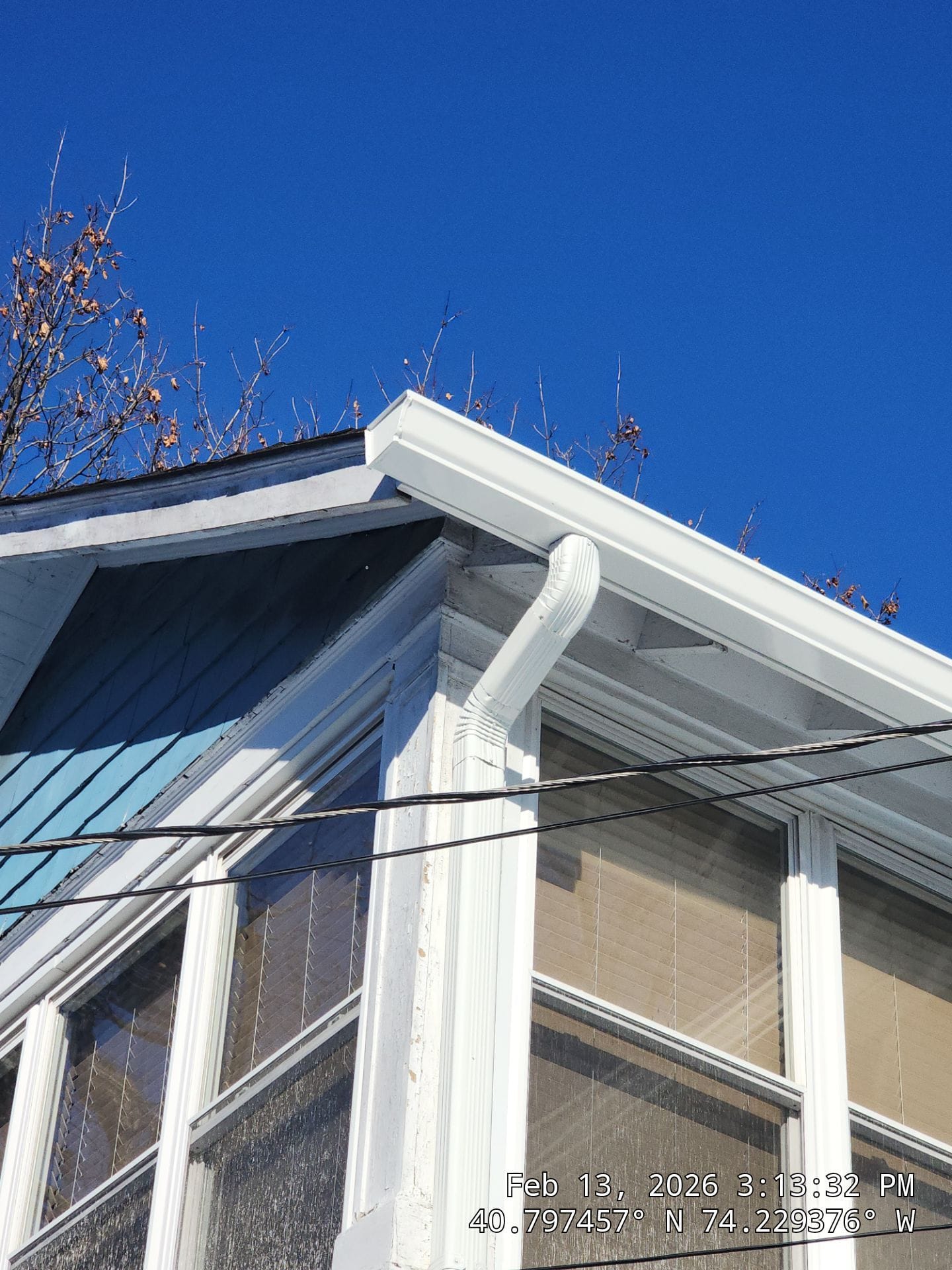
The gutter profile also impacts water capacity. K-style gutters, with their flat bottoms and curved edges, can hold more water than traditional half-round gutters of the same width. As a result, a 5-inch K-style gutter can handle roughly the same volume as a 6-inch half-round gutter. Property owners and contractors should factor in both profile and width when selecting the best gutter system for their specific roof design.
Downspout Size and Placement
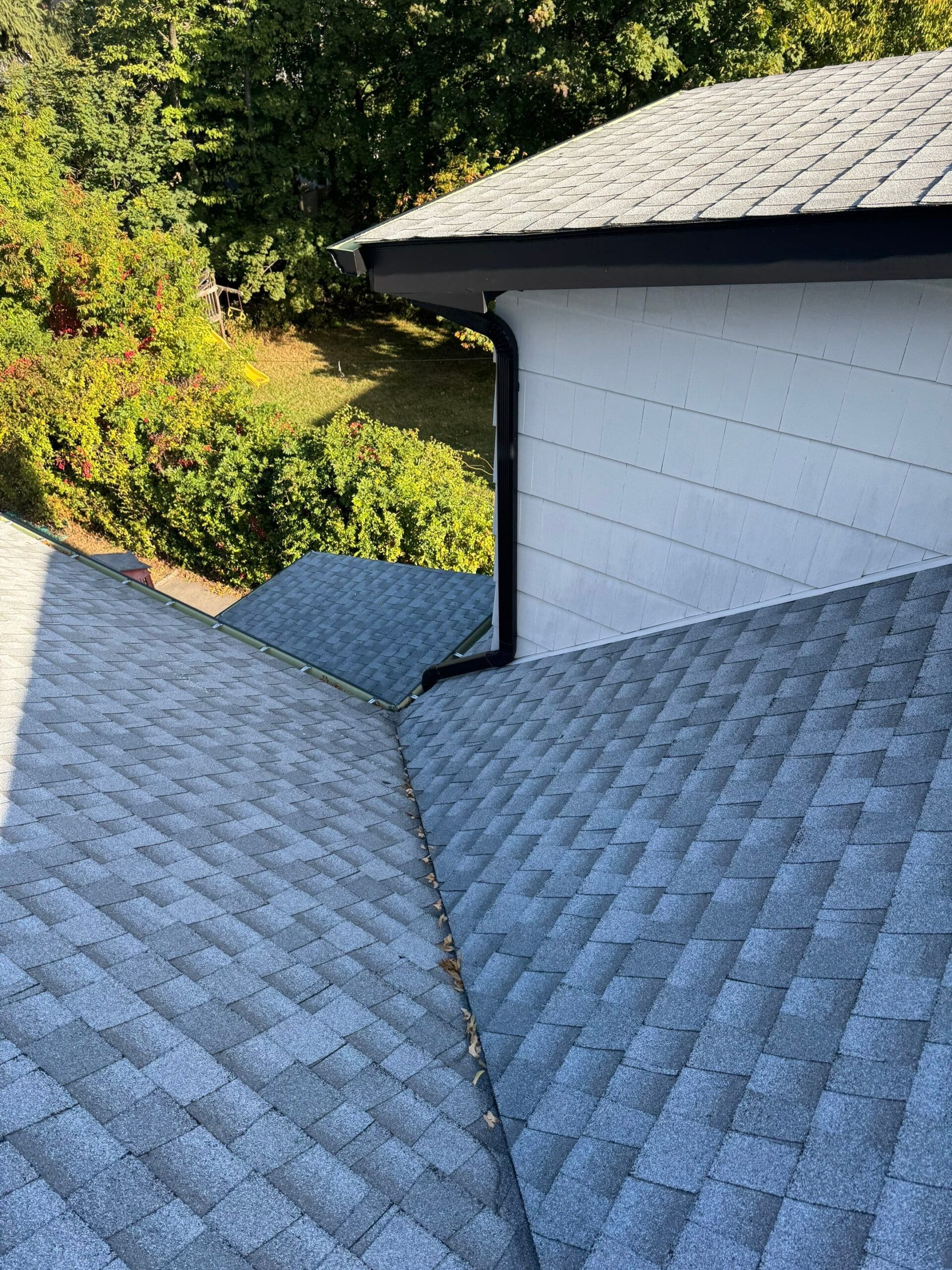
Even with properly sized gutters, an inadequate number of downspouts can lead to overflow issues. Downspout size and placement should match the gutter system’s capacity to ensure smooth drainage. Standard residential downspouts range from 2×3 inches to 3×4 inches, with larger commercial systems requiring 4×5-inch or round downspouts for optimal flow. Strategic downspout placement, particularly in roof valleys and high-flow areas, helps prevent water from pooling or spilling over.
Accounting for Regional Rainfall Intensity
Gutter sizing calculations must consider regional rainfall intensity. Areas with frequent heavy rain require larger gutters and additional downspouts to handle peak water volumes. Using rainfall data from the National Weather Service or local meteorological sources allows for accurate gutter capacity planning. For homes in storm-prone regions, oversized gutters provide an extra buffer against extreme weather conditions.
Selecting the correct gutter size is a critical aspect of roof water management. Factors such as roof pitch, gutter profile, downspout placement, and regional rainfall patterns all play a role in determining the ideal gutter width and capacity. Proper sizing ensures efficient drainage, minimizes maintenance issues, and protects a building’s structure from water-related damage. Consulting with a professional gutter contractor can help homeowners and property managers make informed decisions for their specific needs.