



Gutter aprons are an essential yet often overlooked component of a well-functioning roofing system. Designed to direct water away from the roof edge and into the gutters, gutter aprons help prevent water damage to the fascia, roof decking, and underlying structure. Proper installation and maintenance of gutter aprons play a crucial role in extending the lifespan of both the roofing and gutter systems.
What Are Gutter Aprons and How Do They Work?
A gutter apron is a bent metal flashing that is installed beneath the roofing shingles and over the back edge of the gutter. Its primary function is to guide water runoff directly into the gutter system, preventing it from seeping behind the gutters and causing damage to the fascia or soffit. Typically made from aluminum, galvanized steel, or copper, gutter aprons add an extra layer of protection against moisture-related deterioration.
Preventing Water Damage to Fascia and Roof Decking
Without a gutter apron, rainwater can seep behind the gutters, leading to rot and decay in the fascia boards and roof decking. Over time, this can weaken the roof’s structural integrity and necessitate costly repairs. By ensuring that water flows directly into the gutters, gutter aprons reduce the risk of moisture infiltration and preserve the longevity of the roofing system.
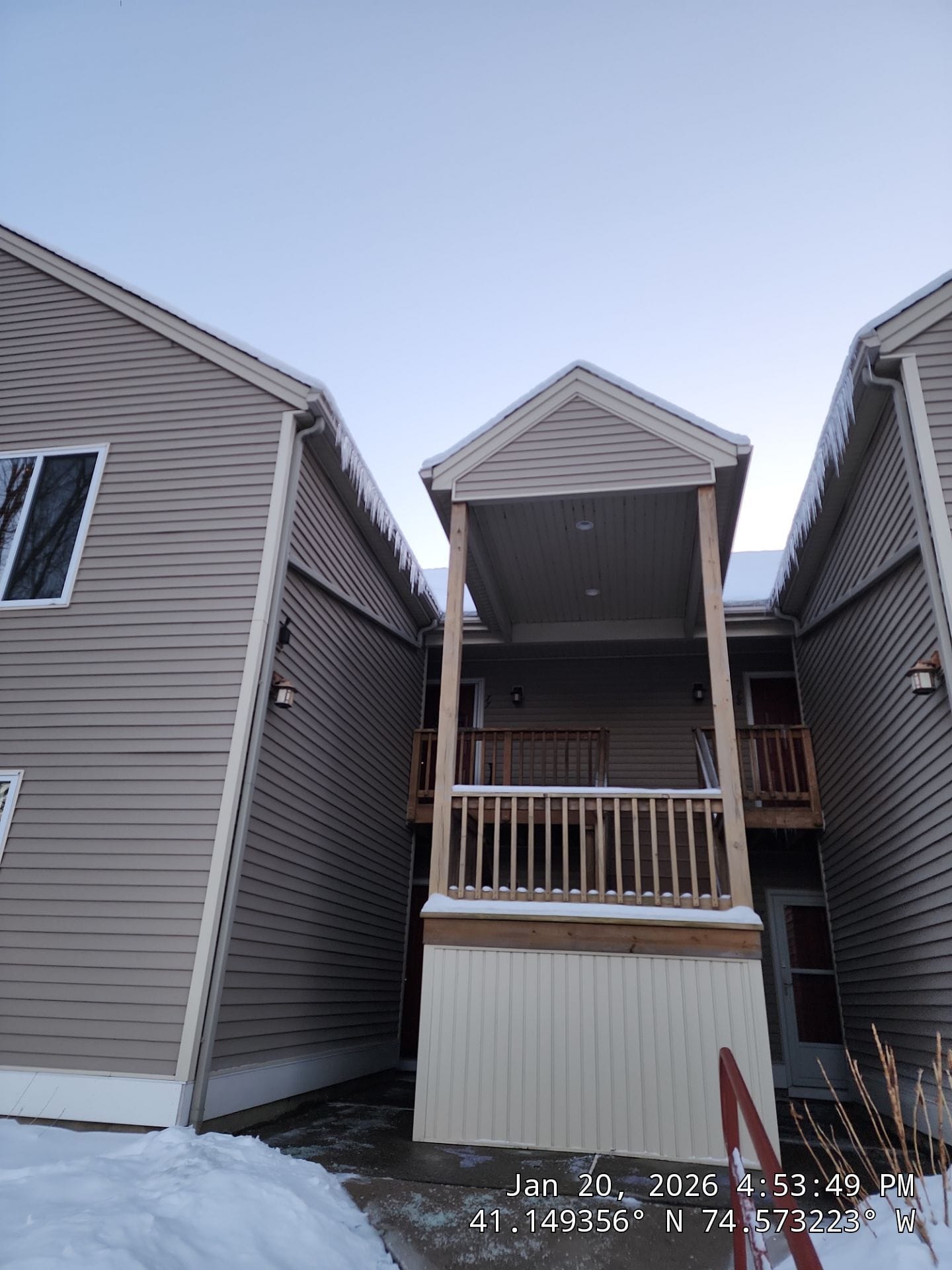
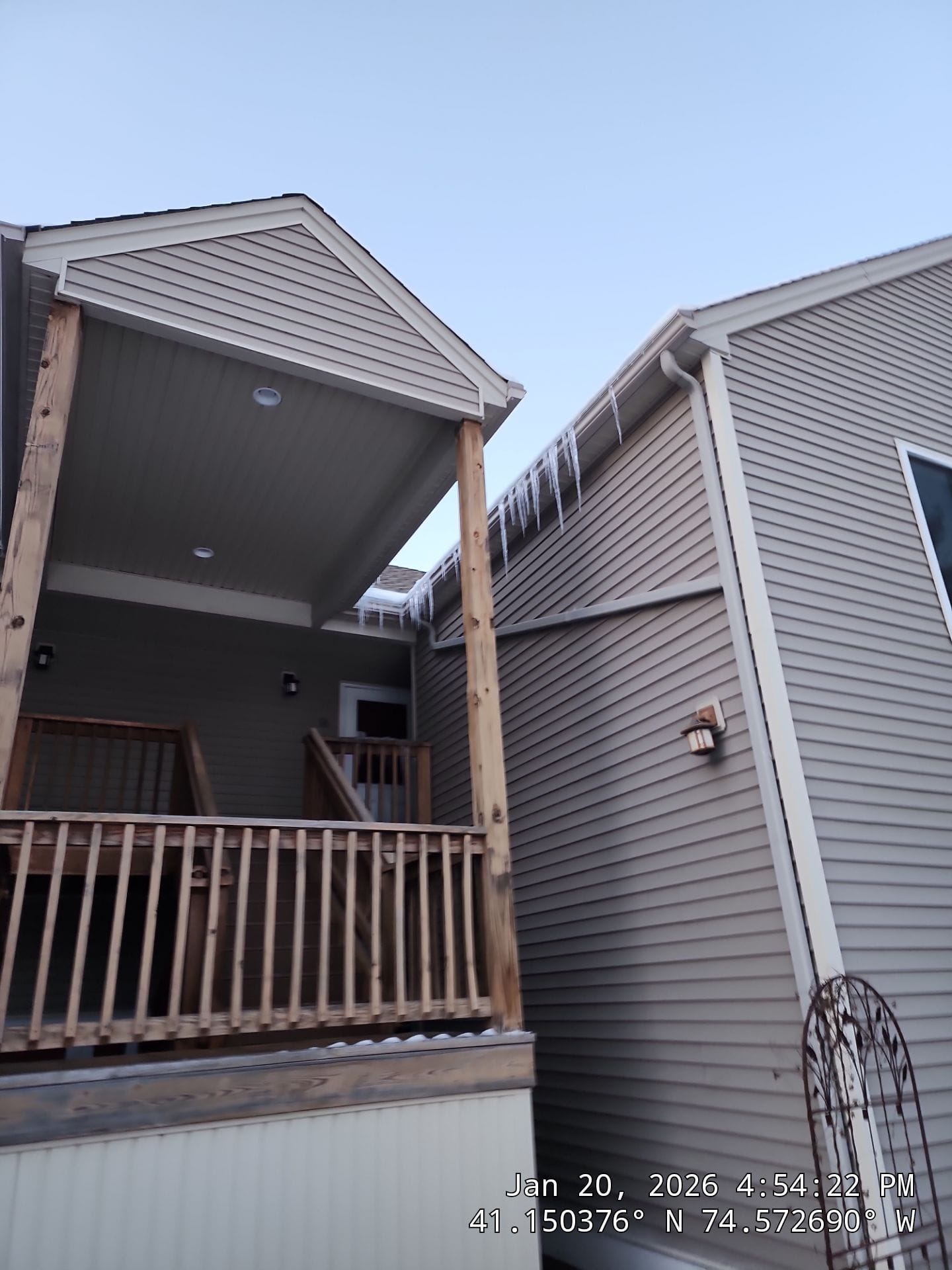
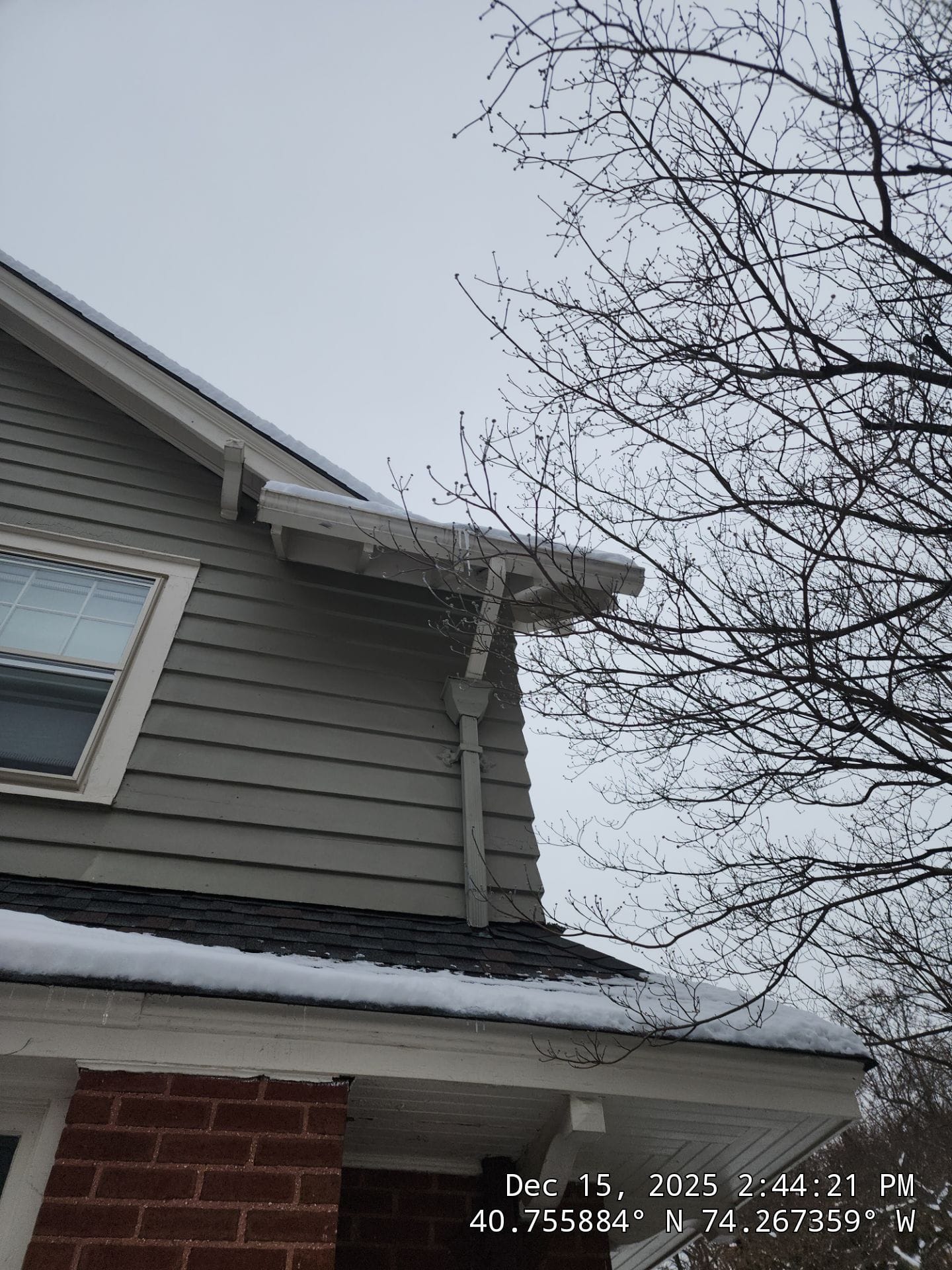
Gutter Aprons vs. Drip Edge: Key Differences
While both gutter aprons and drip edges serve to direct water away from the roof, they have distinct purposes. Drip edges are primarily used to control water runoff at the roof’s edges, preventing it from dripping down the fascia. Gutter aprons, on the other hand, extend further into the gutter system, ensuring that water is funneled correctly into the gutters. For optimal protection, some roofing professionals install both components to enhance water diversion and protect against leaks.
Materials and Installation Considerations
Gutter aprons are available in various materials, including aluminum, galvanized steel, and copper. The choice of material depends on factors such as climate, durability, and aesthetic preferences. Installation involves securing the apron under the shingles and fastening it to the roof decking, ensuring a snug fit to prevent water intrusion. Proper overlap and sealing techniques are essential to maintaining effectiveness, especially in areas prone to heavy rainfall.
Maintenance and Replacement Guidelines
Routine inspection of gutter aprons helps identify signs of wear, corrosion, or detachment. Leaves and debris can accumulate behind gutters, causing water to back up and potentially damage the apron. Regular gutter cleaning and maintenance ensure that gutter aprons remain functional and continue to protect the roof’s structural components. If an apron becomes damaged or rusted, prompt replacement is necessary to maintain effective water management.
Gutter aprons play a vital role in preventing water damage to fascia boards and roof decking, ensuring that water is efficiently directed into the gutters. Homeowners and gutter contractors should prioritize their installation as part of a comprehensive roofing and gutter protection strategy. With the right materials, proper installation, and routine maintenance, gutter aprons contribute to a long-lasting and efficient drainage system.